Hot water back on, same-day if it can be

Most water heater calls end one of two ways: a repair that buys the tank a few more years, or a straight swap. A plumber who covers your town tells you which one you're looking at after a short conversation about age, symptoms, and what the unit is doing.
What does a replacement involve?
- Like-for-like swap: same fuel, same size, new tank. The simplest version of the job
- Code items: expansion tank, seismic strapping, drain pan, and venting come up on older installs, most of King County's stock predates current code
- Gas vs electric: switching fuels adds gas-line or electrical work, quoted separately
Repair or replace?
Age decides most of it. A tank under eight years with a bad element or valve is worth repairing. Past ten, or leaking from the tank body itself, replacement is usually the honest answer, a leaking tank doesn't get fixed, it gets worse. The soft water most of the county runs on is easy on tanks, so an early failure here usually means a defective unit, not worn-out equipment.
What are the warning signs?
- Rust-colored hot water, or hot water that runs out faster than it used to
- Popping or rumbling from the tank, sediment cooking on the bottom
- Water in the pan or a damp trail down the side of the tank
- The pilot or igniter going out repeatedly
Available in your town
Other services
Drain cleaning
Single-fixture clogs to full main-line blockages, cleared with the right equipment.
Sewer camera inspection
A camera down the lateral shows roots, bellies, breaks, and exactly where they sit.
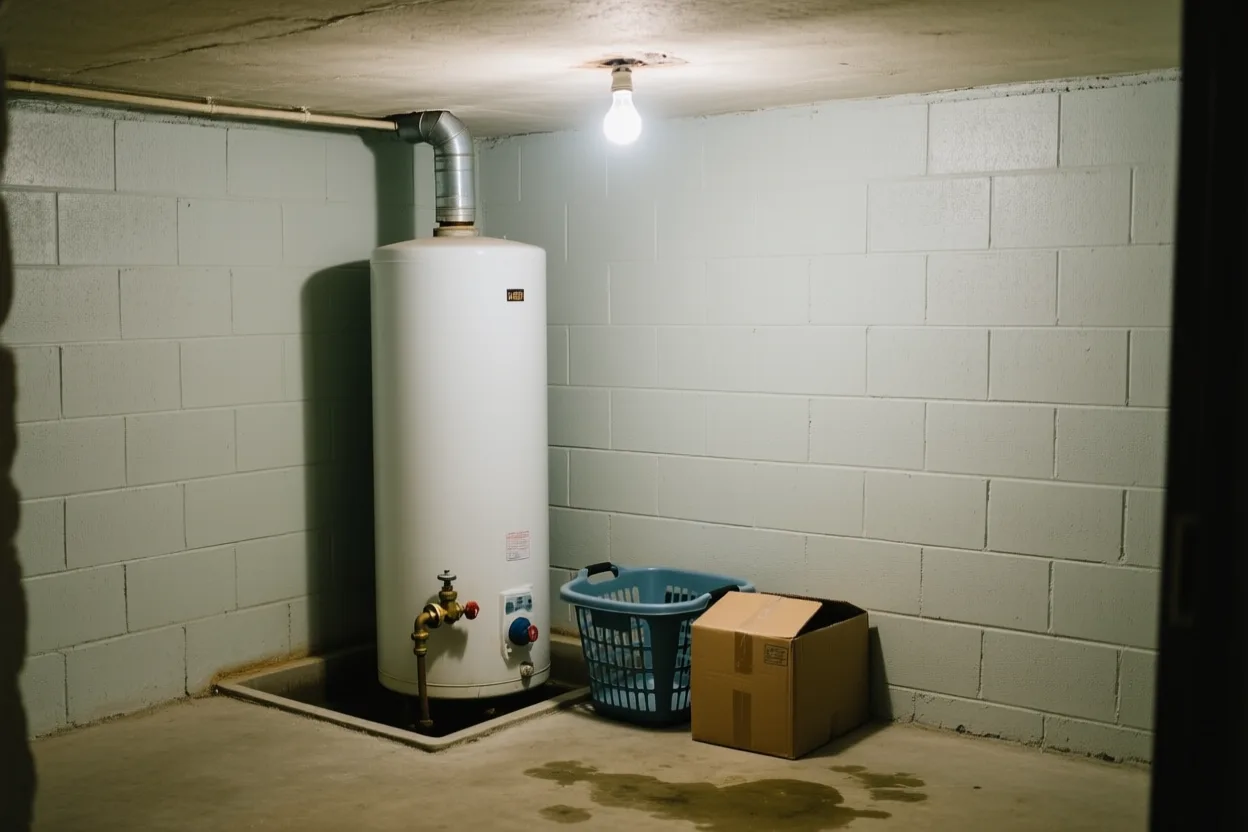
Water heaters
Tank repair, full replacement, code items brought current, haul-away included in a real quote.
Emergency plumbing
Burst pipes, active leaks, sewage backup, routed urgent to a pro who covers your town.
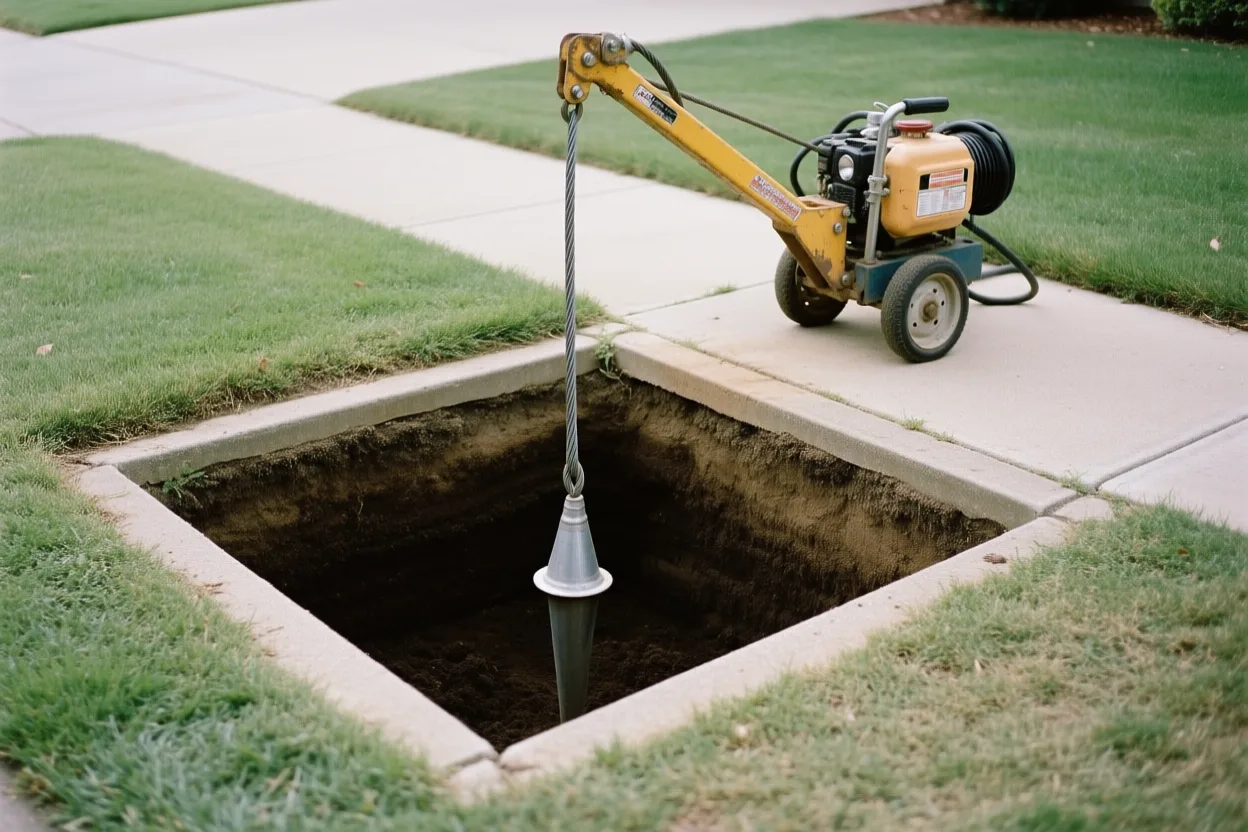
Trenchless sewer
Pipe bursting and lining options that spare the driveway, landscaping, and sidewalk.
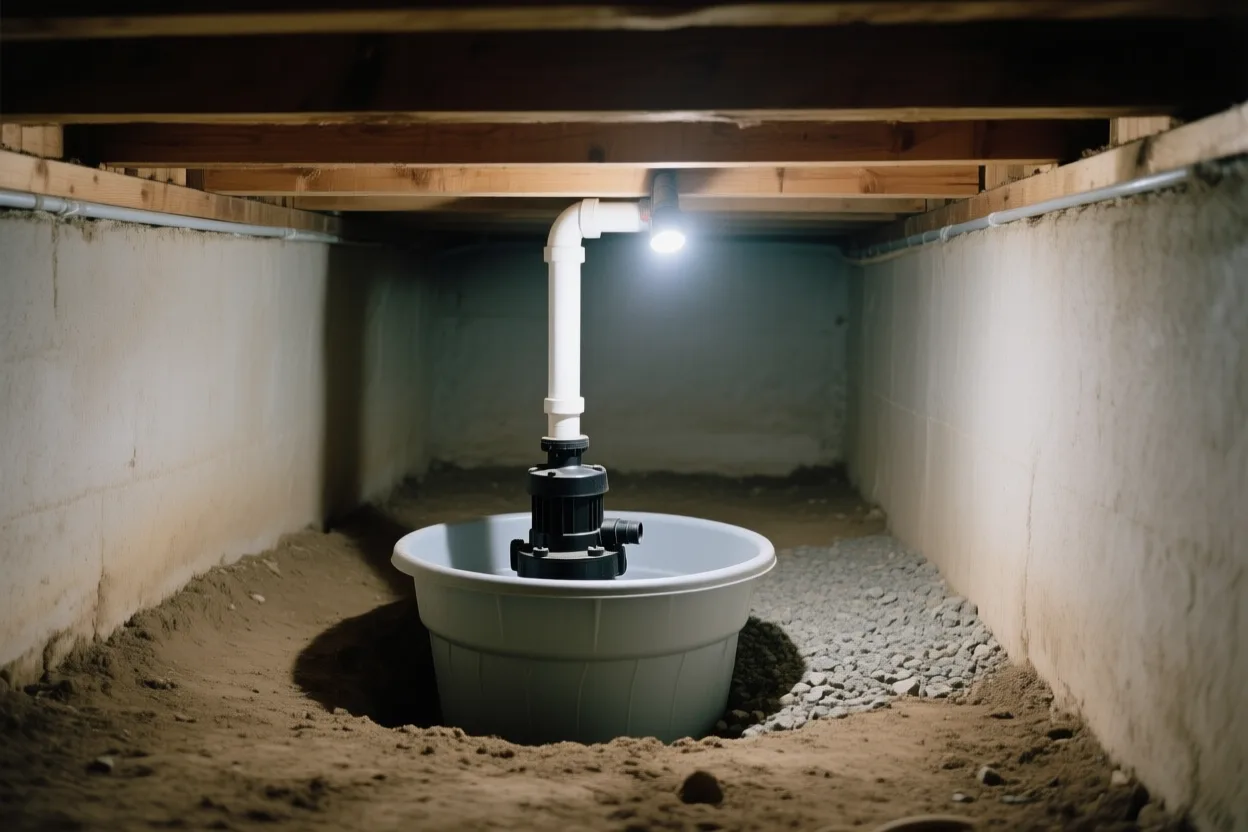
Sump pumps
Pump installs, replacements, and backups for basements and crawl spaces that take on water.
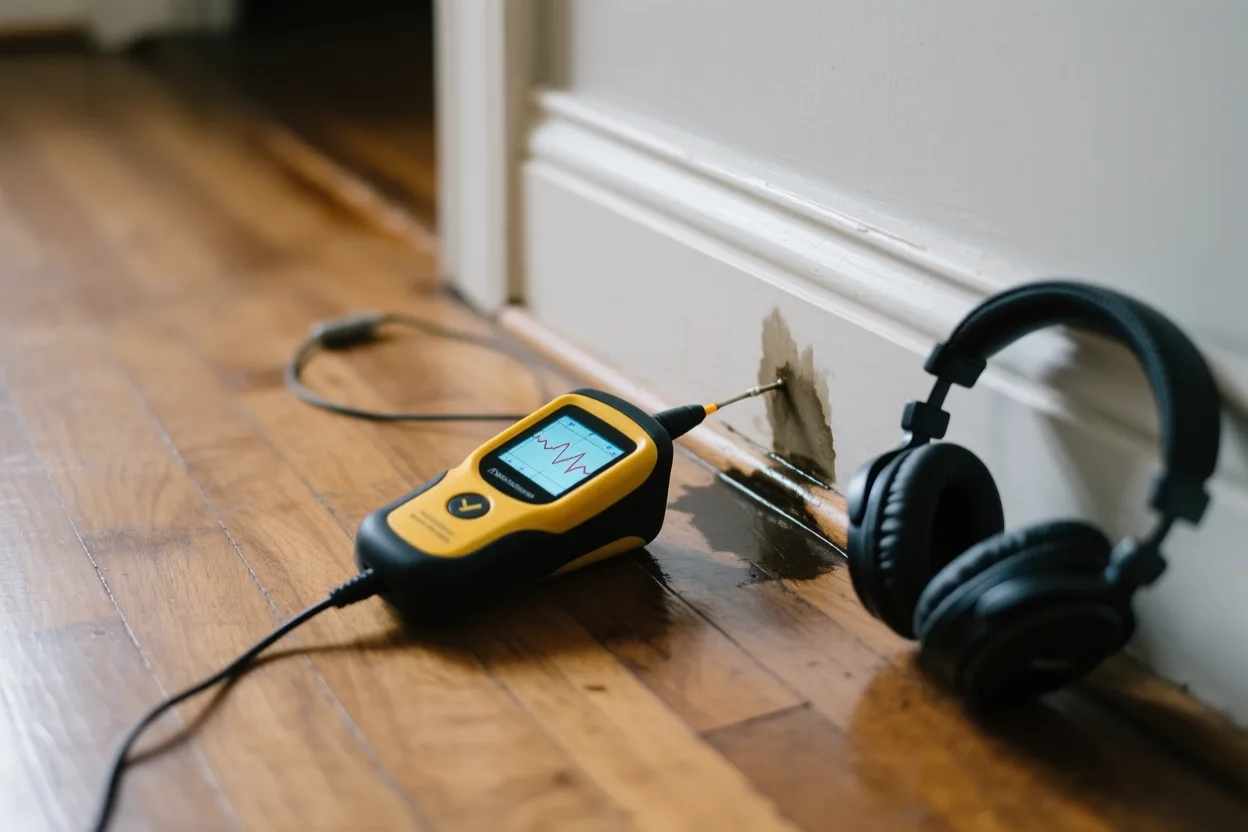
Leak detection
Acoustic and pressure testing that locates hidden leaks without tearing the house apart.
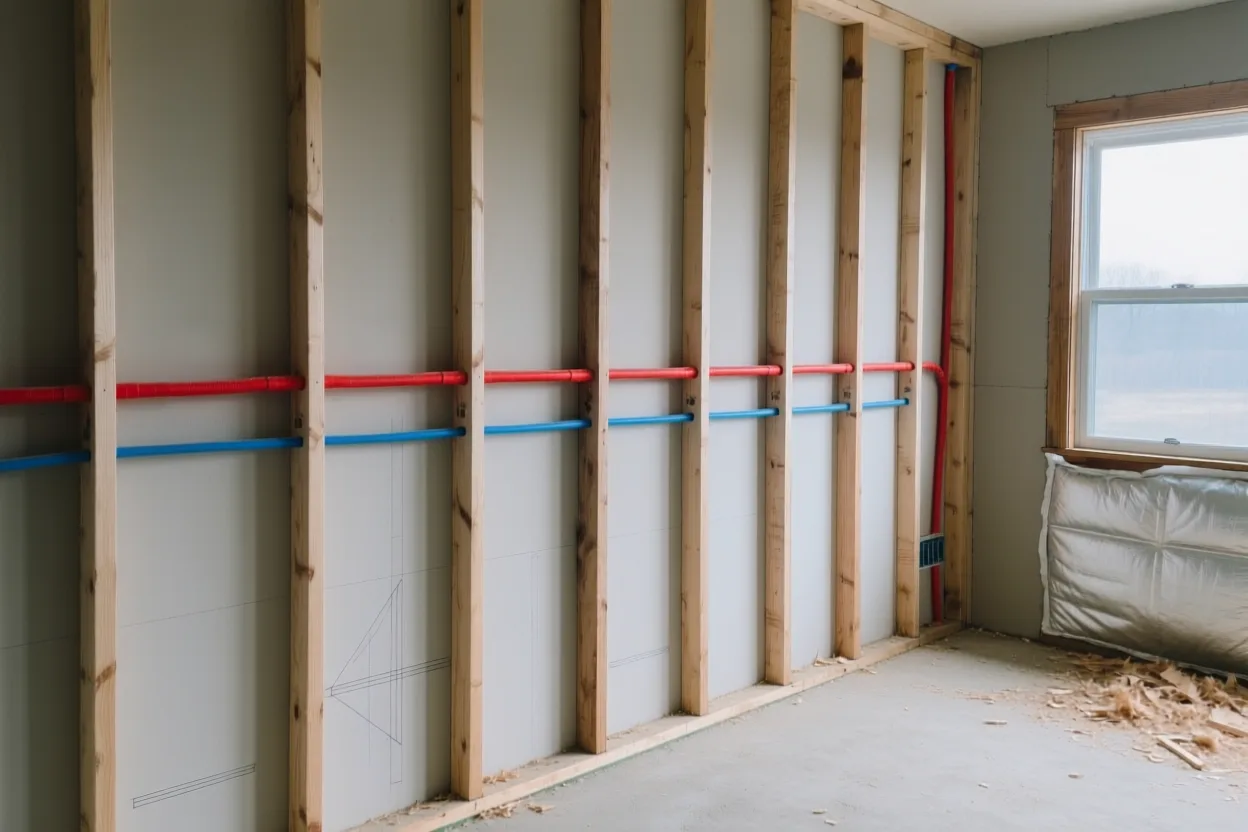
Whole-house repipe
Galvanized, polybutylene, or corroded copper replaced with modern PEX or copper runs.
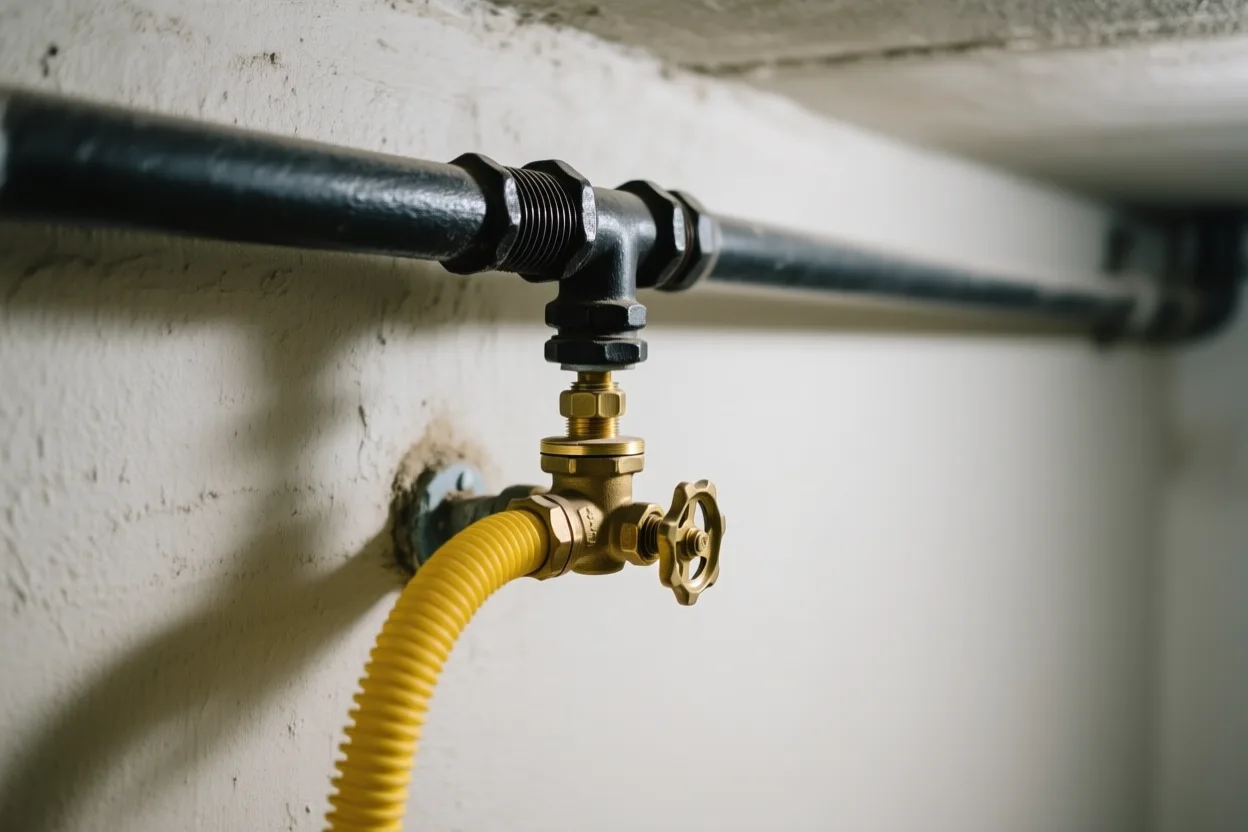
Gas lines
Appliance runs, leak repairs, and new lines for ranges, dryers, water heaters, and furnaces.
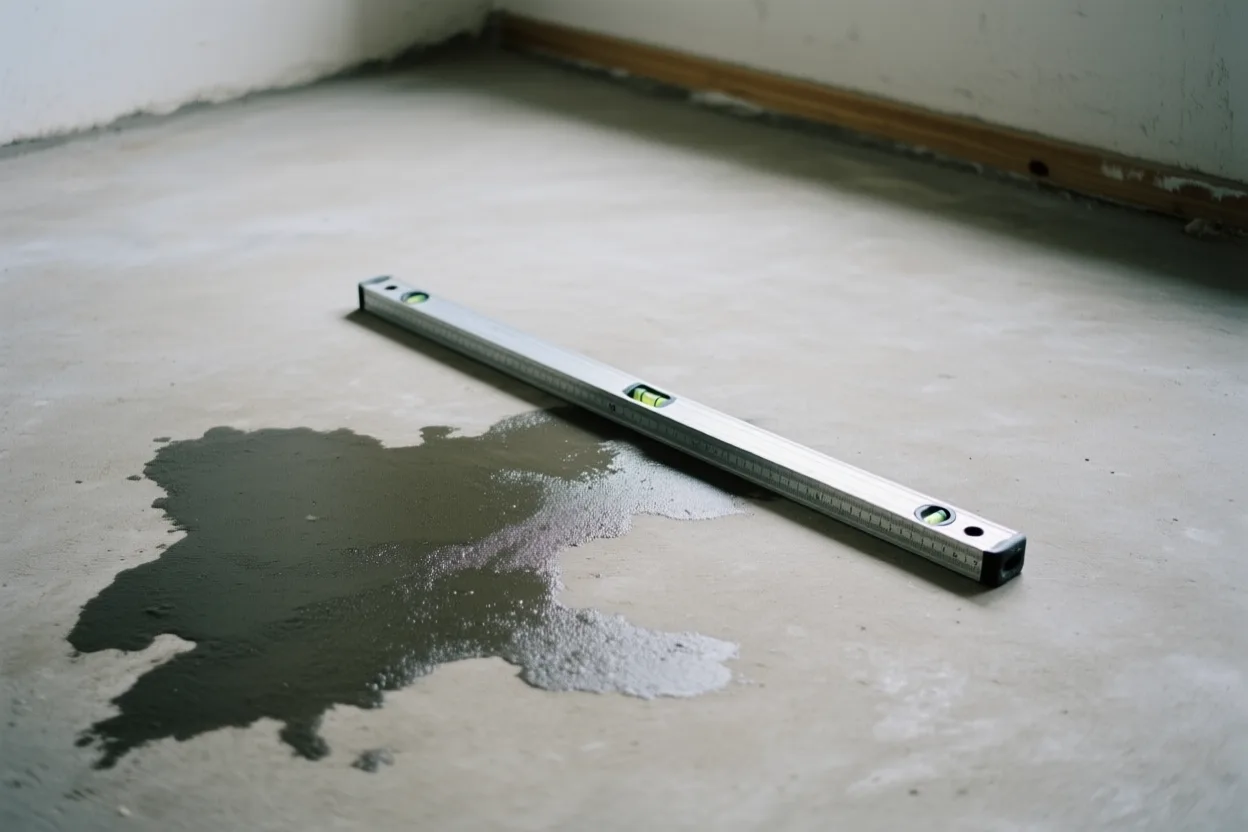
Slab leaks
Supply or drain leaks under the foundation, located first, then fixed the least invasive way.
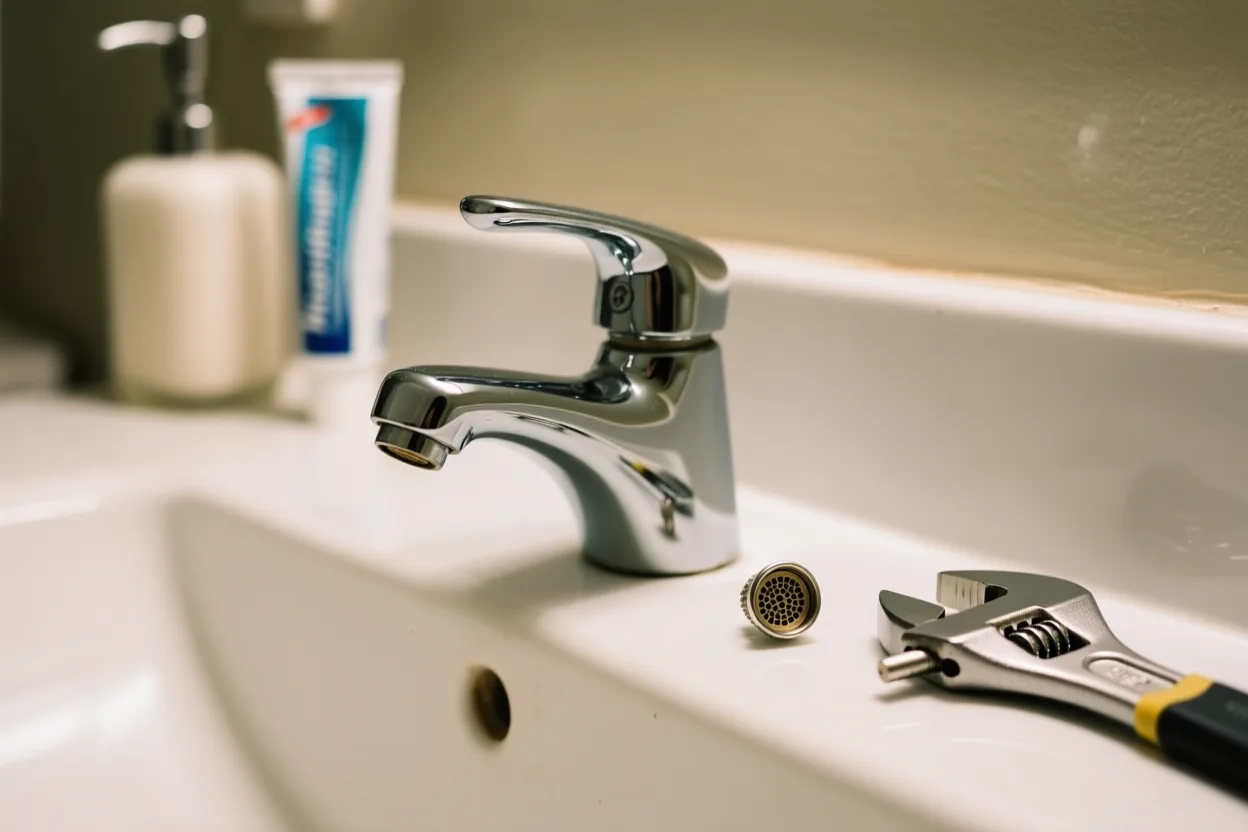
Fixture repair
Faucets, toilets, disposals, hose bibs, and shutoff valves, the everyday plumbing fixes.
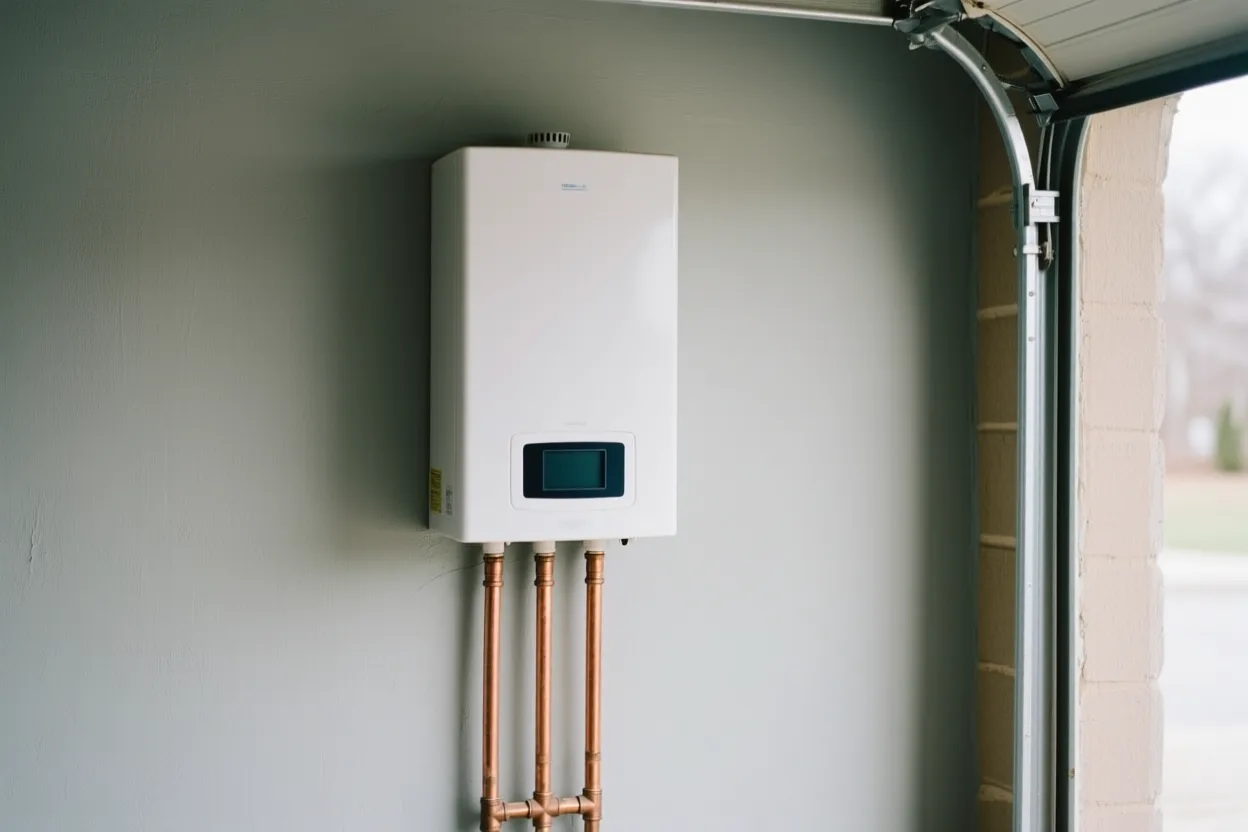
Tankless water heaters
Wall-mounted, on-demand hot water, with the gas line and venting sized to actually feed it.


