See inside the sewer line before anyone digs

A sewer camera is a reel of push cable with a lens on the end. It goes in through a cleanout, travels the lateral to the main, and sends back a picture of whatever is down there: roots, a cracked joint, a belly holding water, or a collapsed section.
Why scope it before spending?
Because sewer repairs are priced after the pipe gets seen, not before. In Seattle the homeowner owns the side sewer all the way to the main in the street, so a failure between your foundation and the city main is your bill, and "dig it all up" is the expensive guess. A scope turns it into "the joint at 38 feet under the driveway is cracked," which is a smaller, targeted fix.
When is a scope worth it?
- Before buying a house, especially pre-1970s construction anywhere in the county
- A drain that keeps re-clogging after being cleared once
- Before a sewer replacement quote, know what you're actually paying to fix
- Wet spots or sinkholes in the yard over the lateral's path
What does it find out here?
Root intrusion at clay joints is the common one in the older towns. In newer subdivisions the usual find is a belly where fill soil settled. Either way, you get footage and a locating mark at the surface, the plumber marks the spot, and the repair quote is for that spot.
Available in your town
Other services
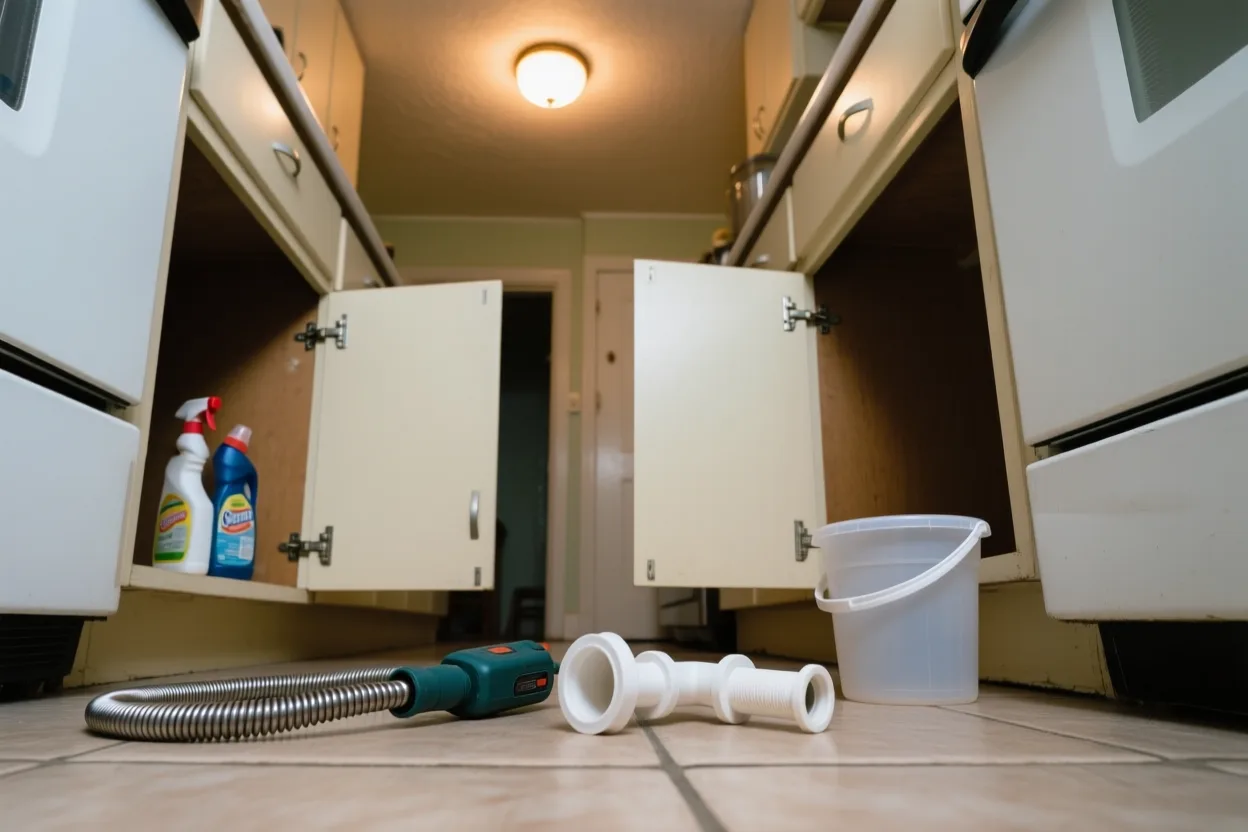
Drain cleaning
Single-fixture clogs to full main-line blockages, cleared with the right equipment.
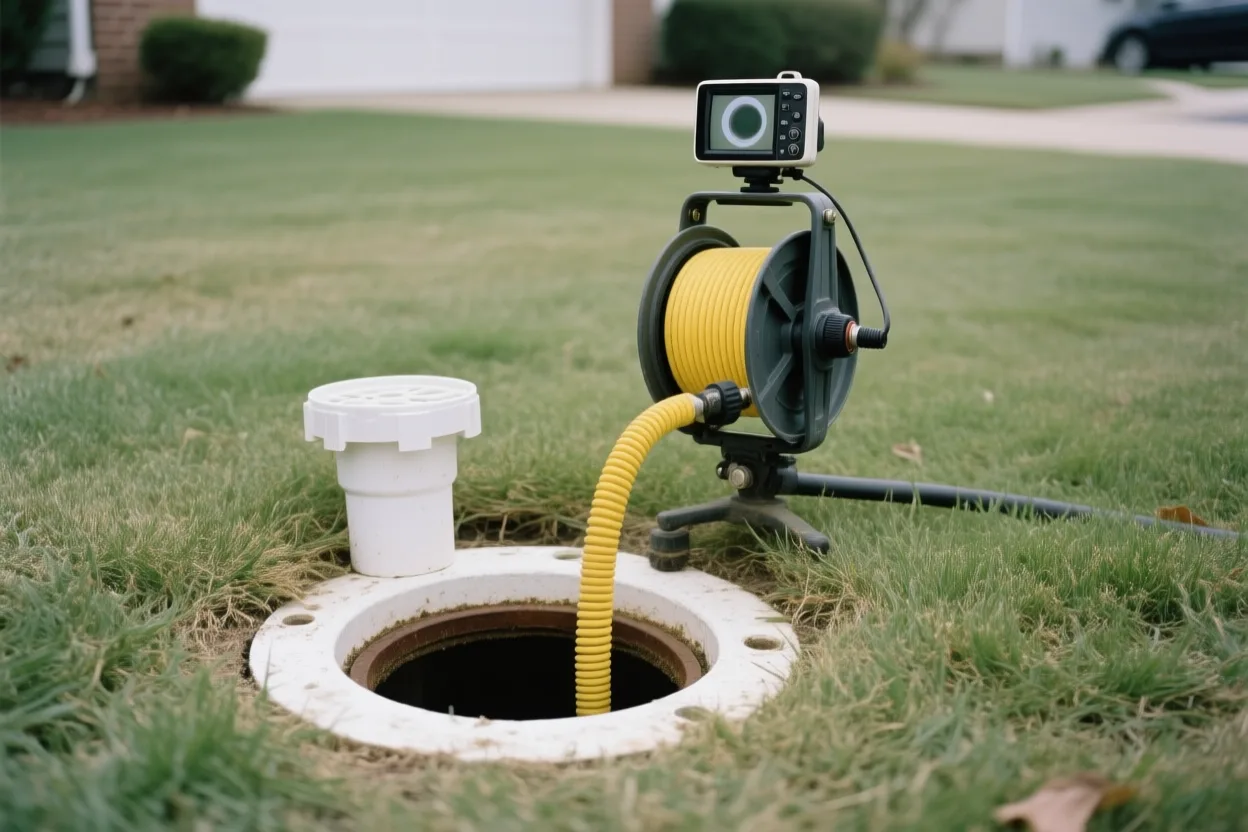
Sewer camera inspection
A camera down the lateral shows roots, bellies, breaks, and exactly where they sit.
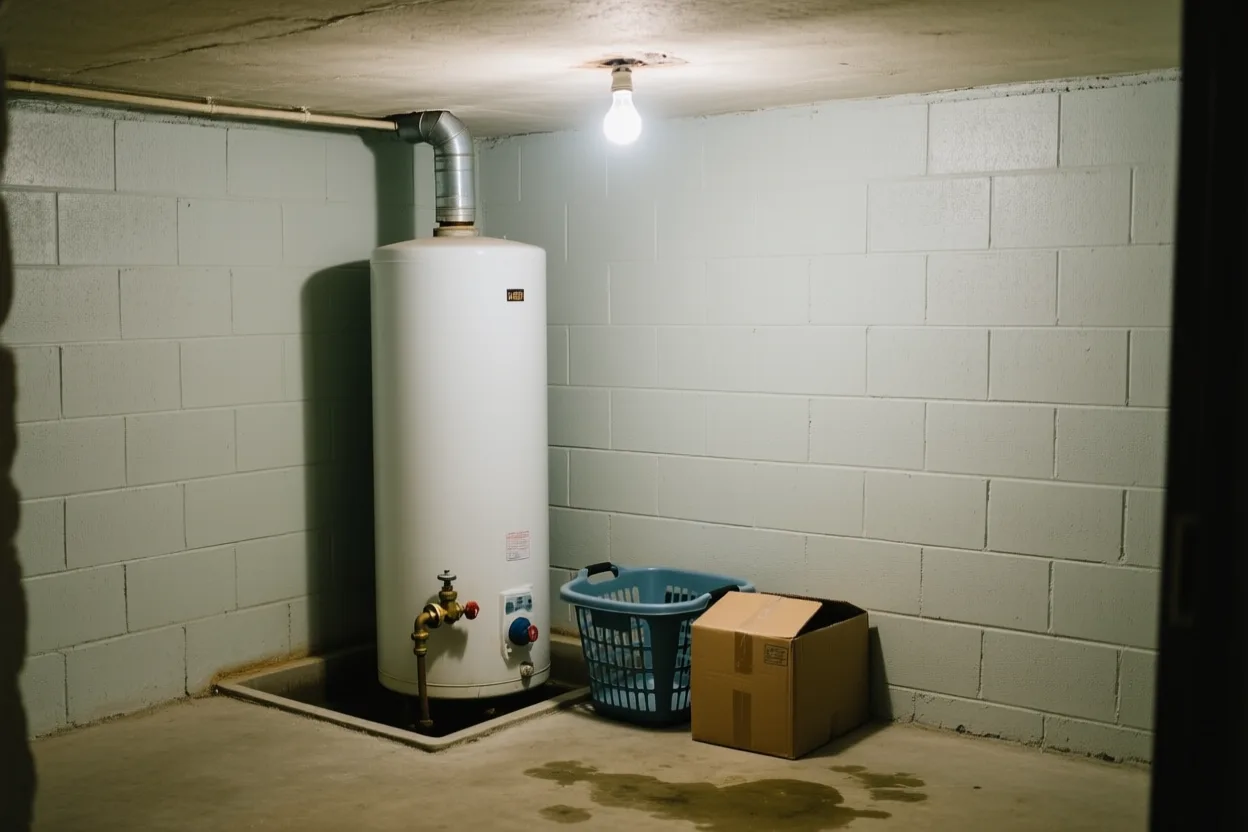
Water heaters
Tank repair, full replacement, code items brought current, haul-away included in a real quote.
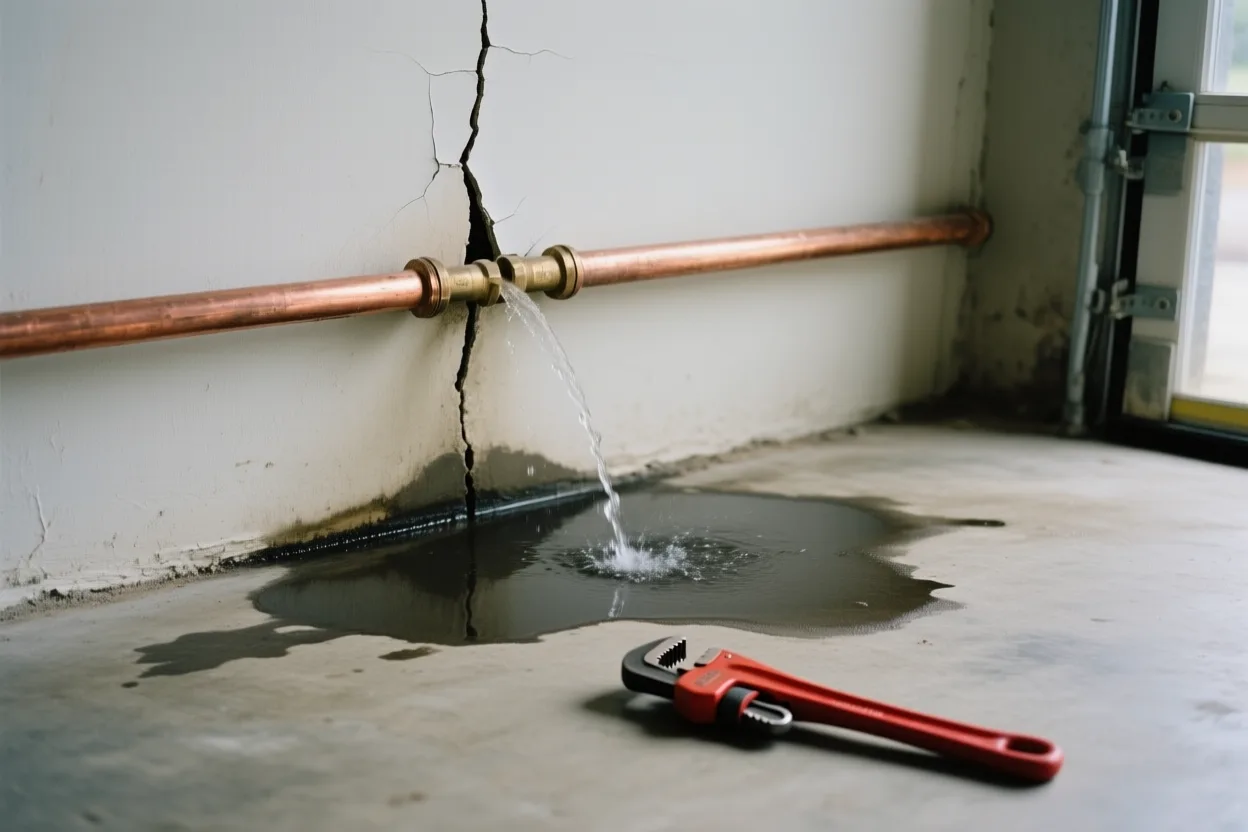
Emergency plumbing
Burst pipes, active leaks, sewage backup, routed urgent to a pro who covers your town.
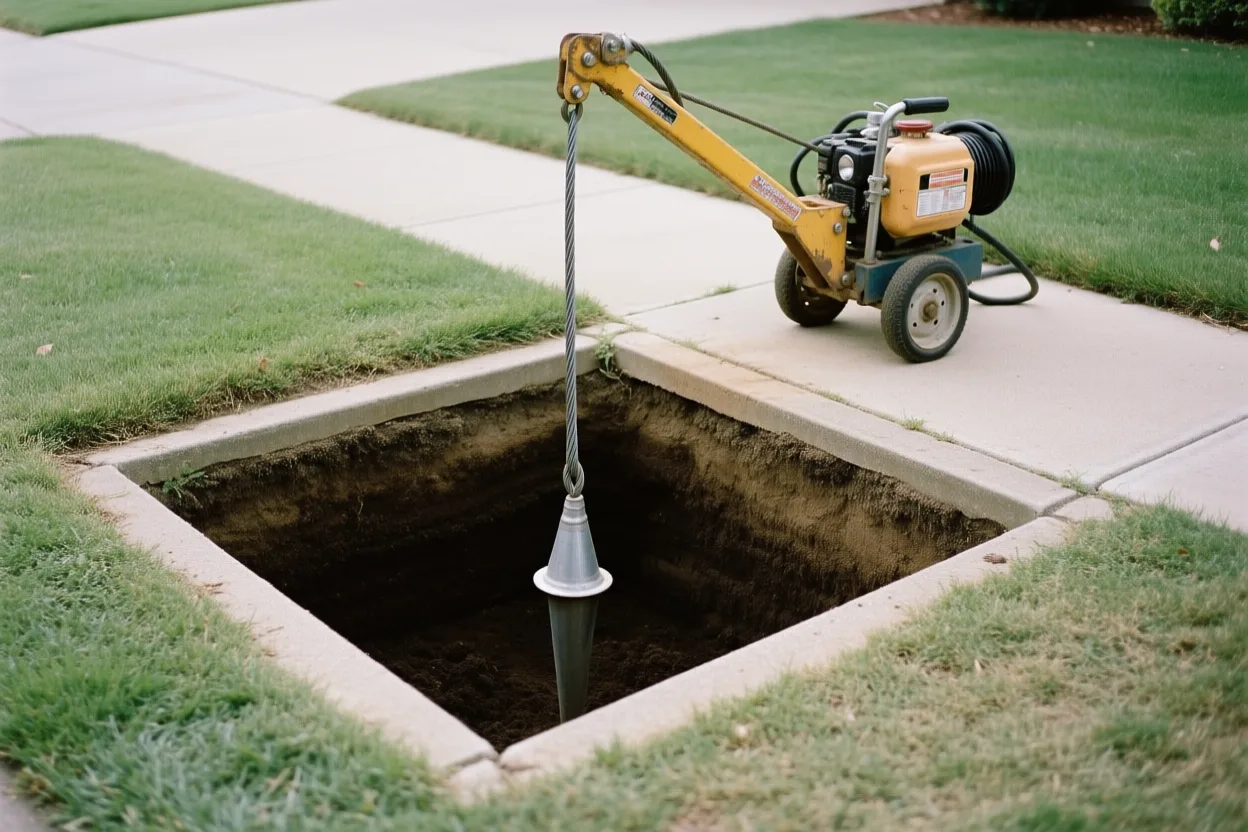
Trenchless sewer
Pipe bursting and lining options that spare the driveway, landscaping, and sidewalk.
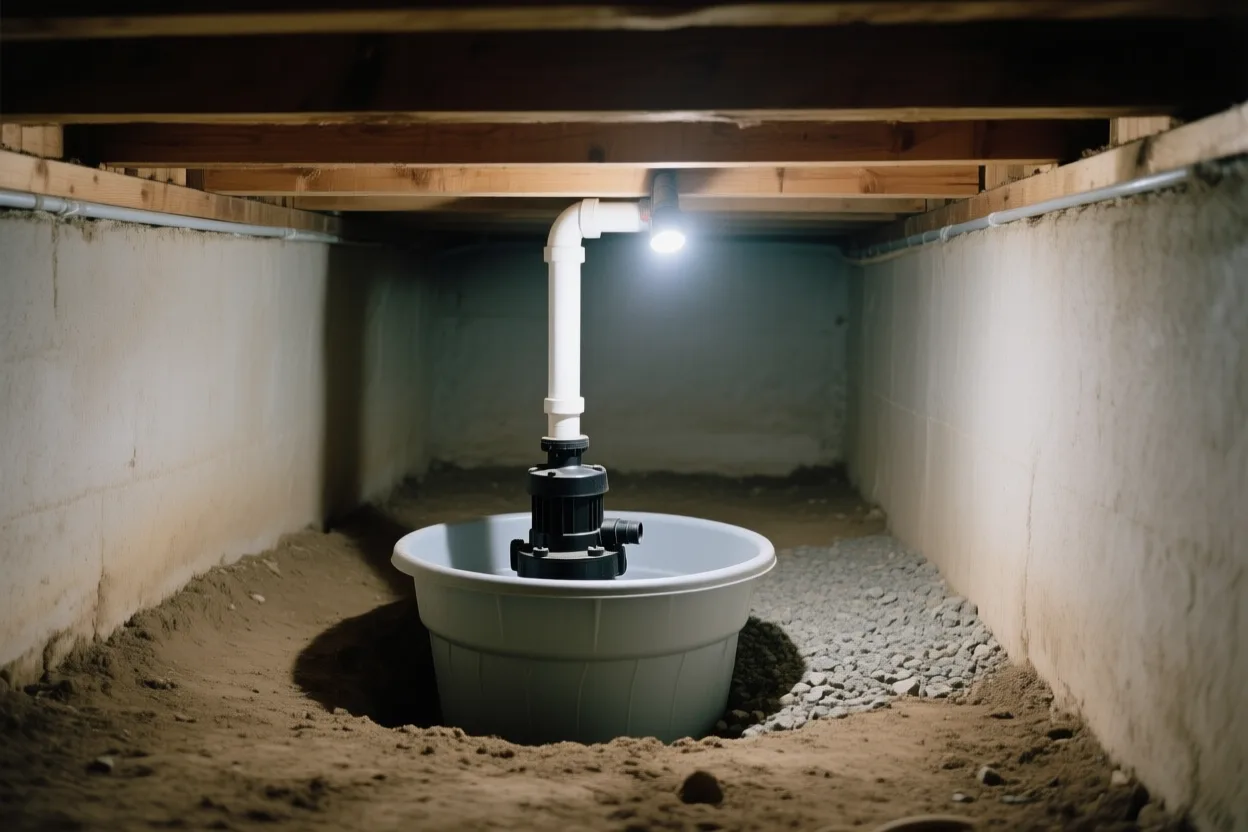
Sump pumps
Pump installs, replacements, and backups for basements and crawl spaces that take on water.
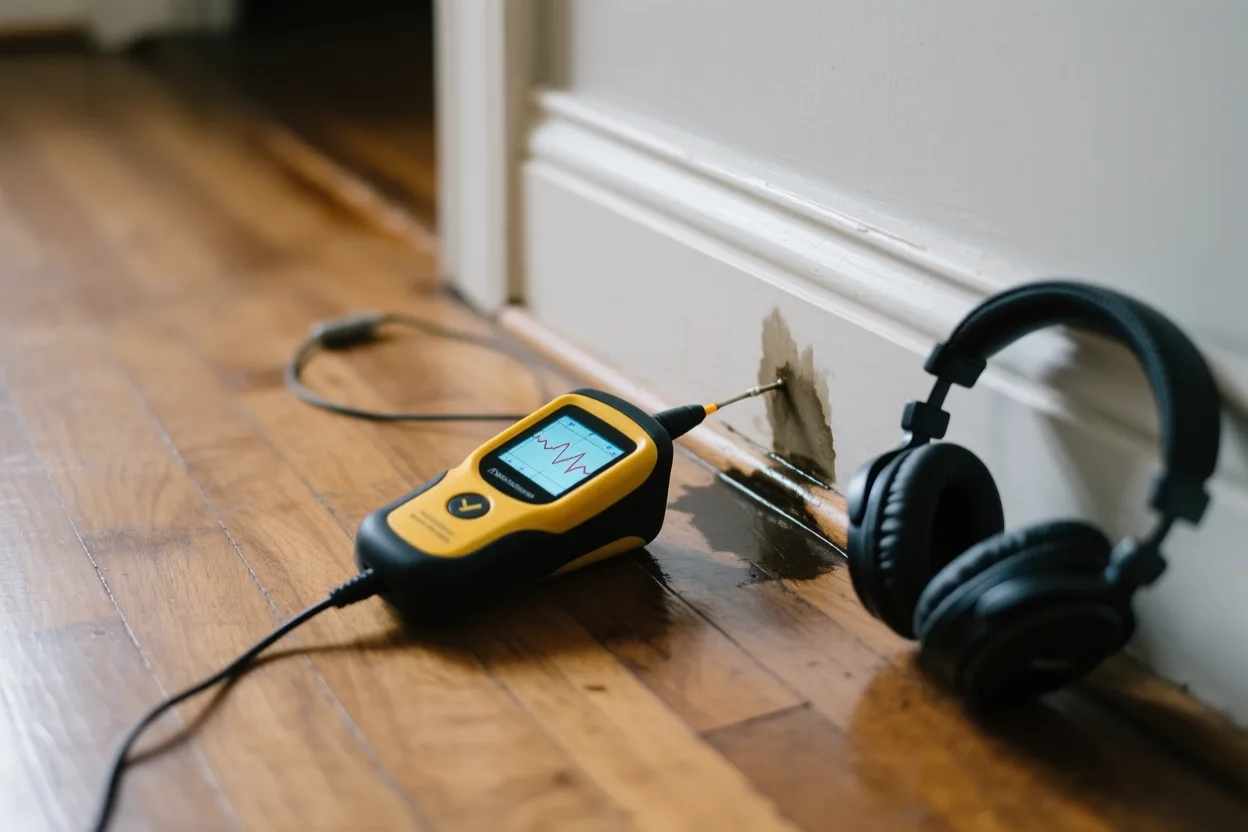
Leak detection
Acoustic and pressure testing that locates hidden leaks without tearing the house apart.
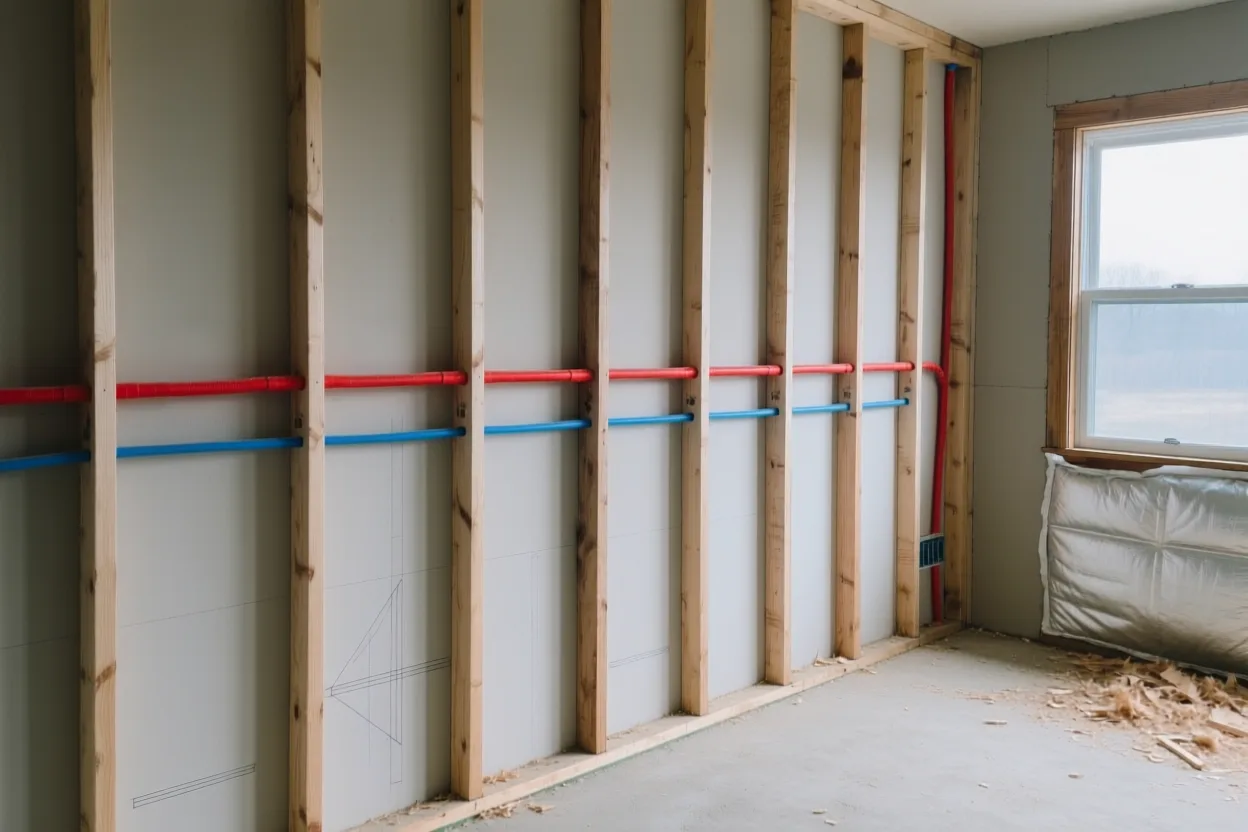
Whole-house repipe
Galvanized, polybutylene, or corroded copper replaced with modern PEX or copper runs.
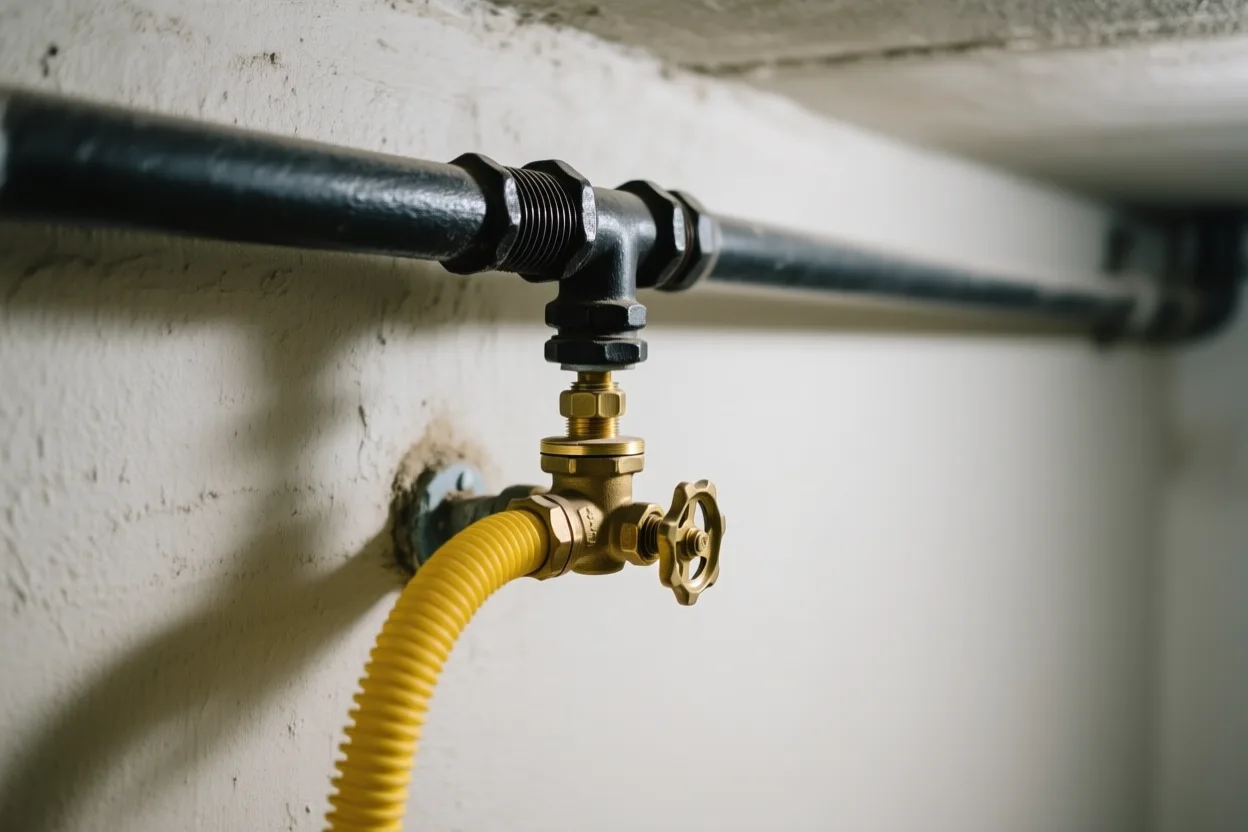
Gas lines
Appliance runs, leak repairs, and new lines for ranges, dryers, water heaters, and furnaces.
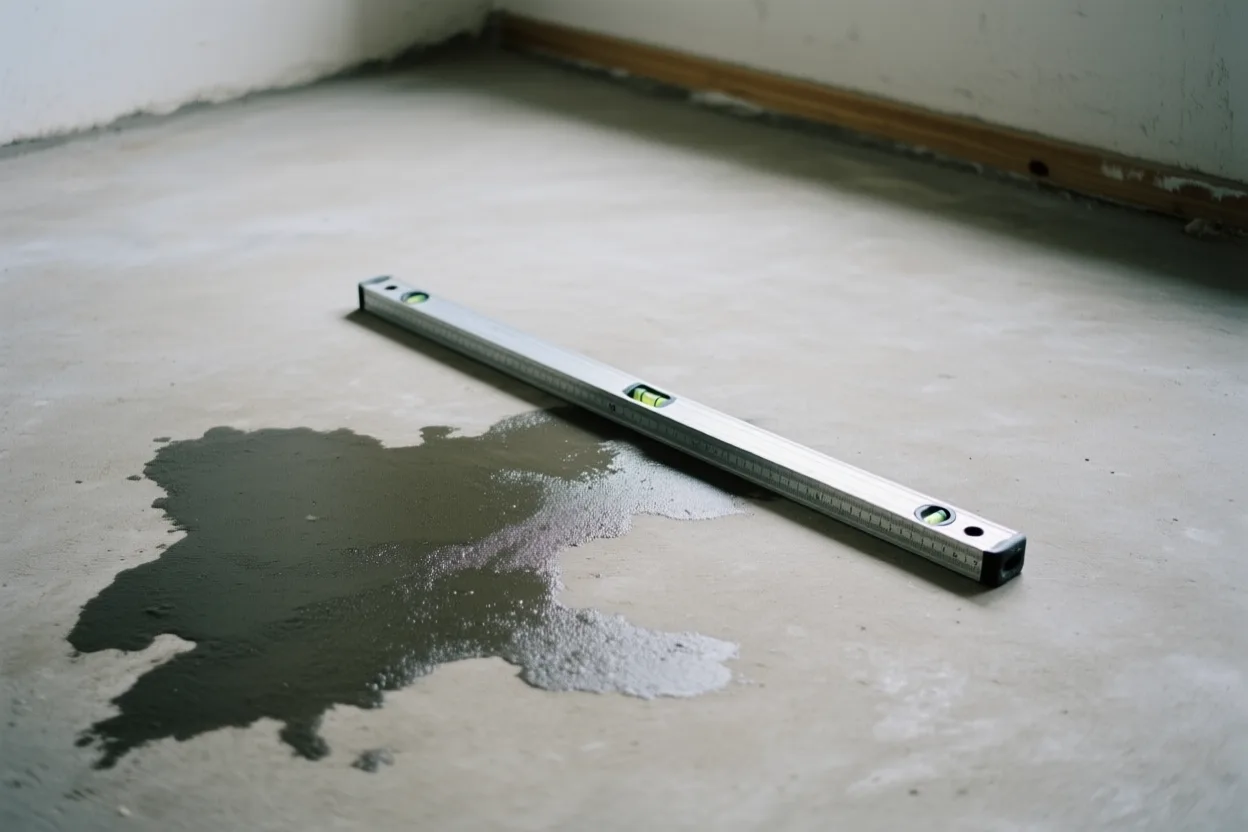
Slab leaks
Supply or drain leaks under the foundation, located first, then fixed the least invasive way.
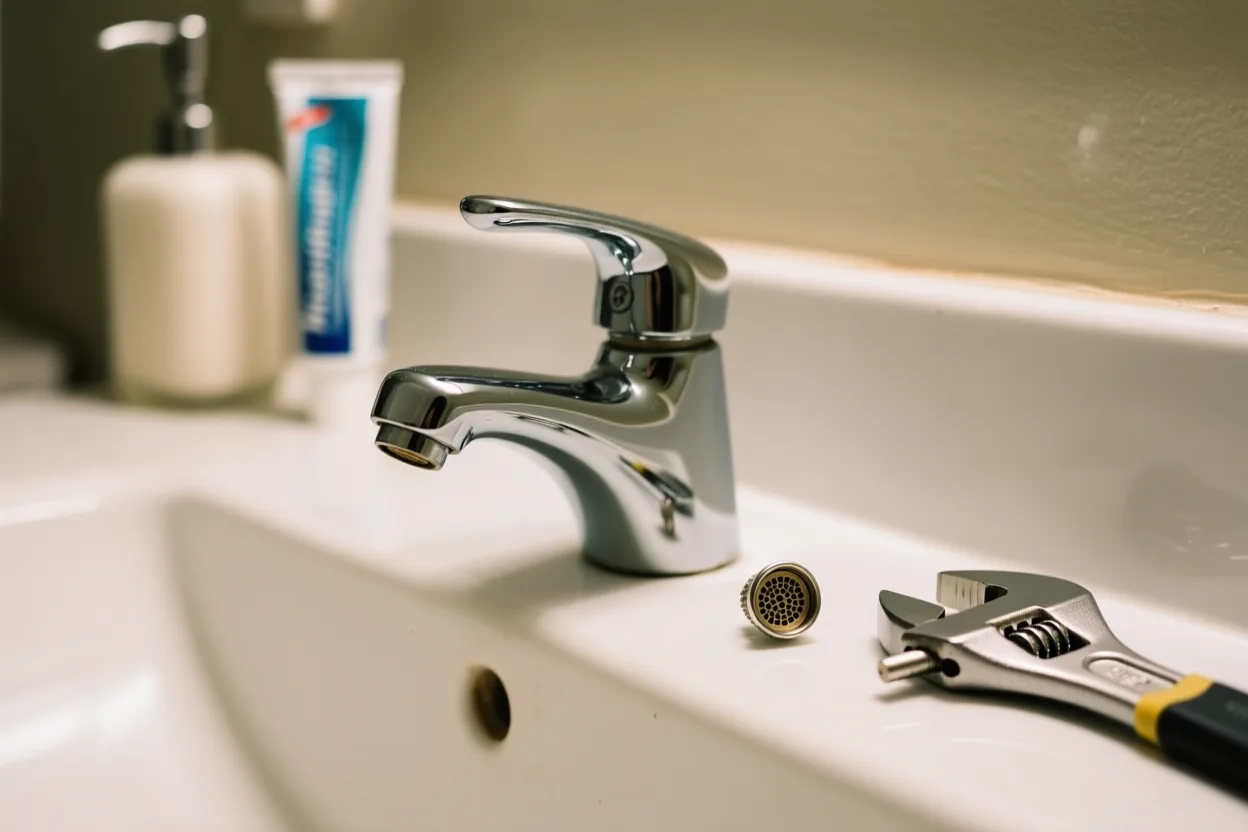
Fixture repair
Faucets, toilets, disposals, hose bibs, and shutoff valves, the everyday plumbing fixes.
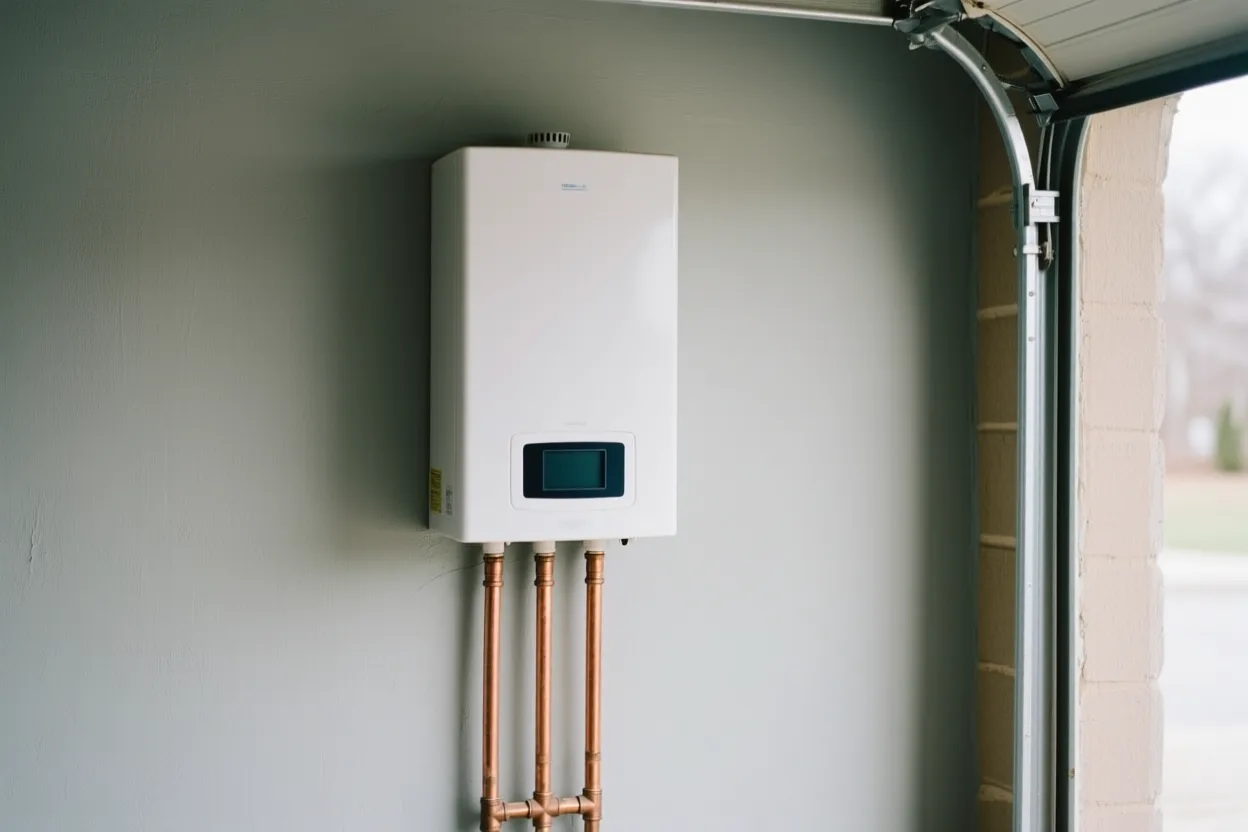
Tankless water heaters
Wall-mounted, on-demand hot water, with the gas line and venting sized to actually feed it.


