Keep the water outside the foundation

Western Washington's rain season runs October through spring, and a lot of King County housing, basement homes on the slopes, crawl-space ramblers on the valley floor, sits where groundwater wants to be. A sump pump collects it at the low point and sends it out before it finds your floor.
When do you actually need one?
- Water standing in the crawl space after heavy rain
- A basement that smells damp or shows tide lines on the walls
- A sump pit that's there but empty, older homes have the pit, nobody installed the pump
- An existing pump that cycles constantly, won't start, or quit mid-storm
What does the job involve?
- New install: pit excavation, basin, pump, check valve, discharge line routed out, the biggest version of the job
- Swap: pump out, new pump in, the cheap version when the basin and line already exist
- Backup: battery or water-powered backup for the storms that knock the power out, which in this county is exactly when the pump is needed most
What should a quote include?
Basin or reuse of the existing one, pump capacity matched to how much water the pit actually takes on, where the discharge daylights, and whether the electrical feed is a dedicated circuit. A pro who covers your town has seen what your neighborhood's soil does in February.
Available in your town
Other services
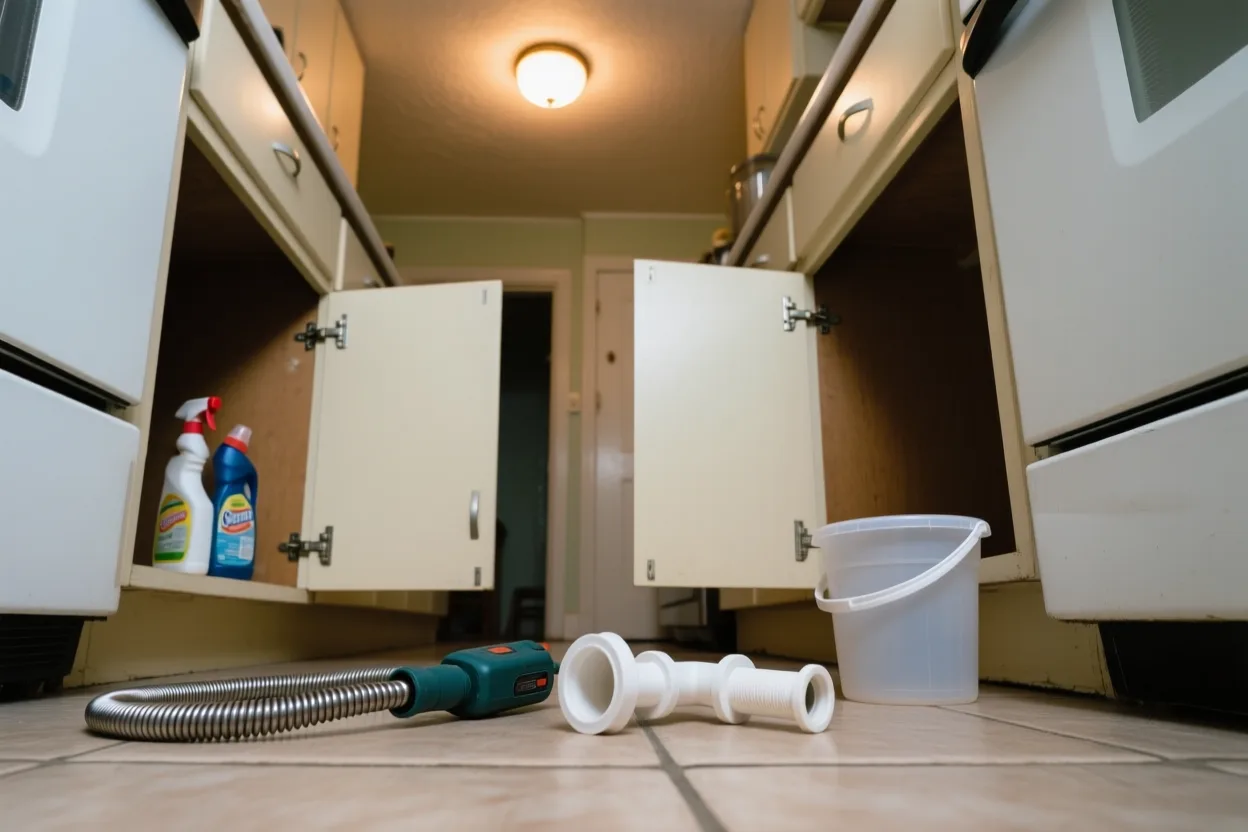
Drain cleaning
Single-fixture clogs to full main-line blockages, cleared with the right equipment.
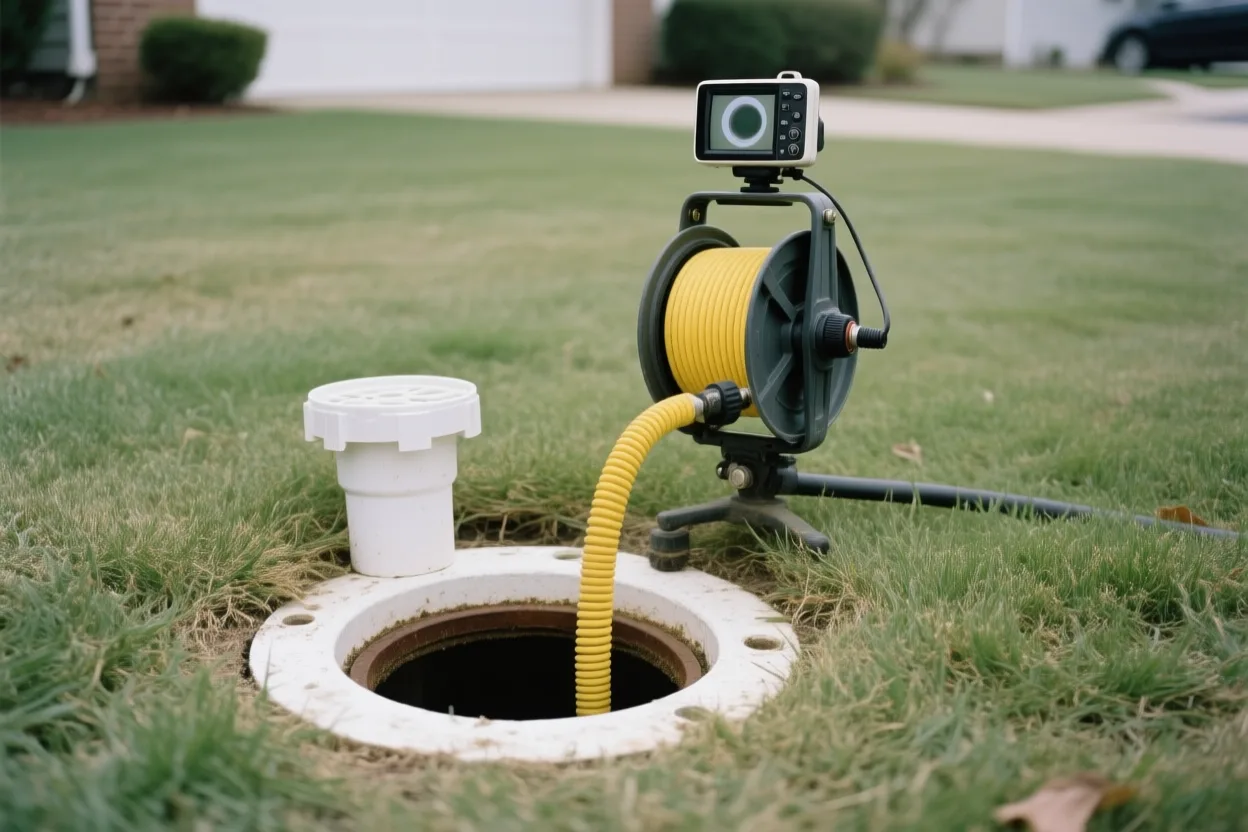
Sewer camera inspection
A camera down the lateral shows roots, bellies, breaks, and exactly where they sit.
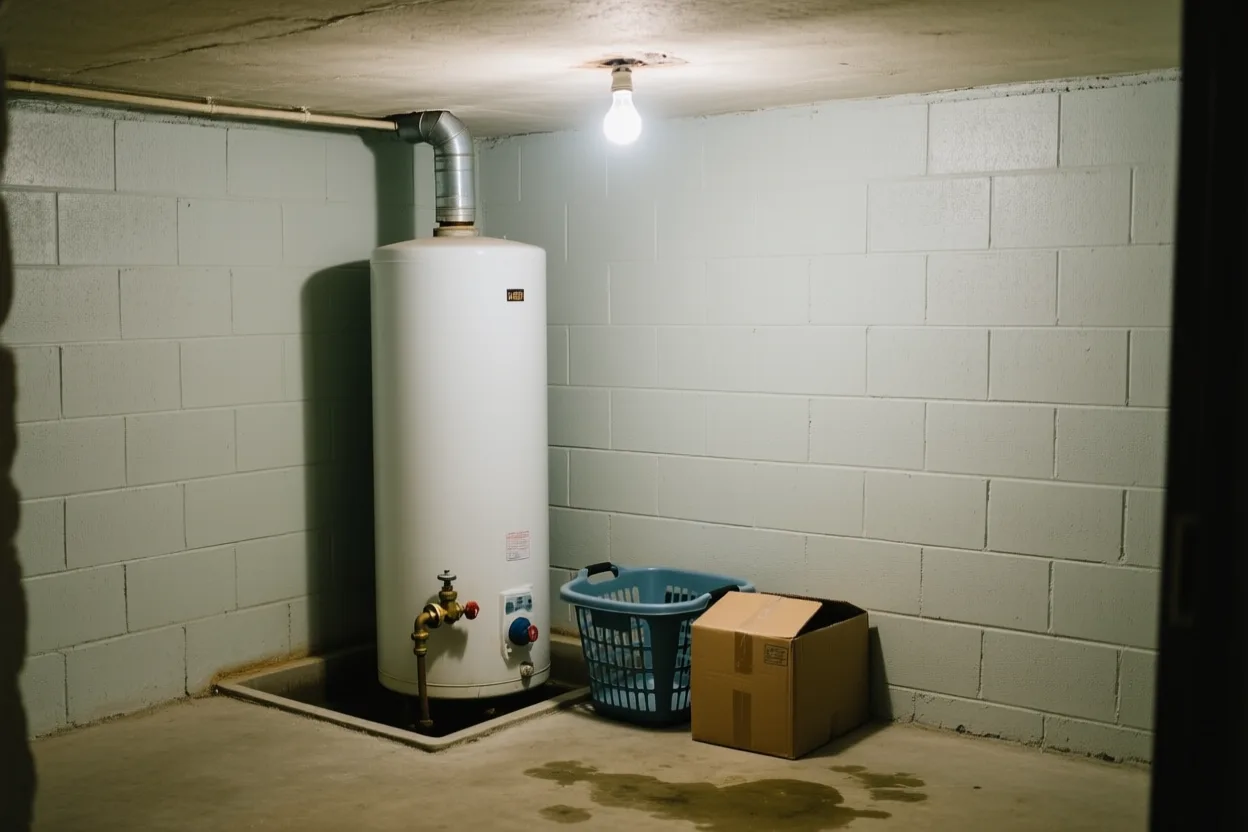
Water heaters
Tank repair, full replacement, code items brought current, haul-away included in a real quote.
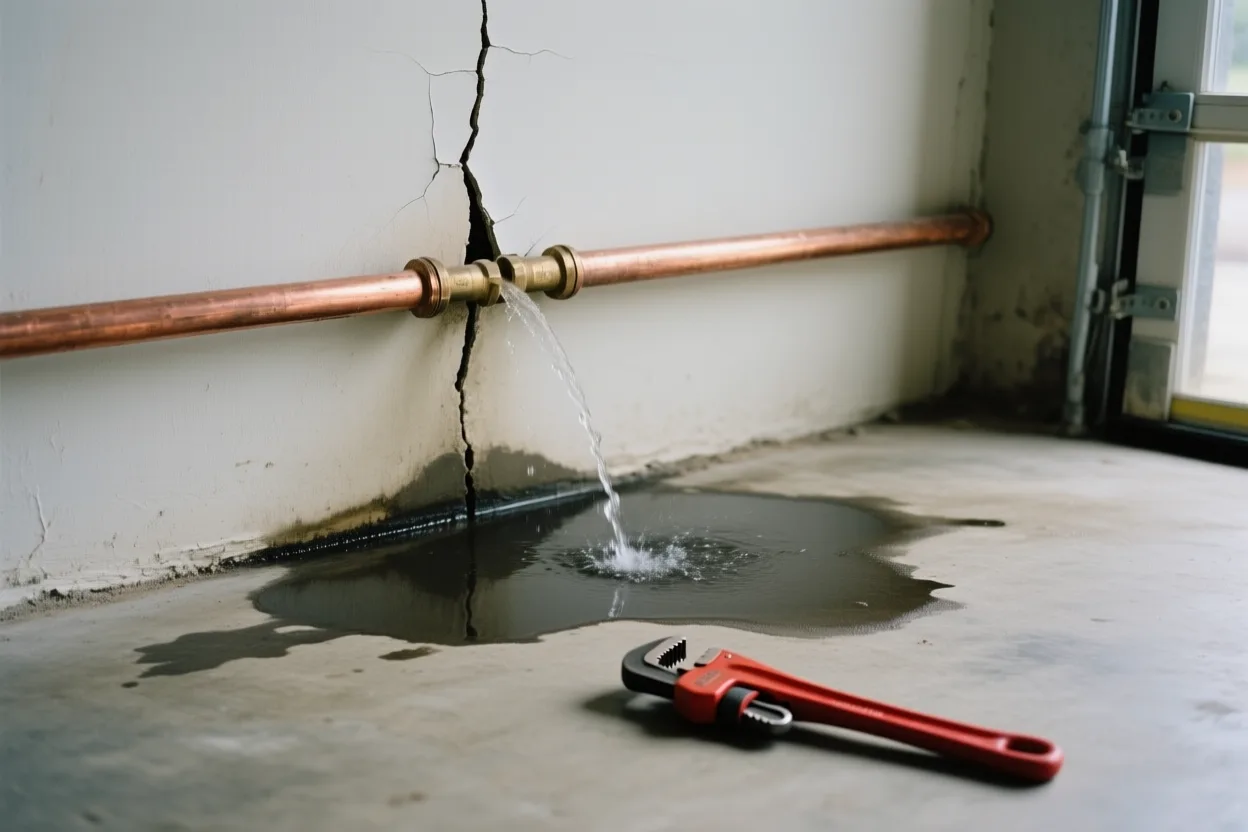
Emergency plumbing
Burst pipes, active leaks, sewage backup, routed urgent to a pro who covers your town.
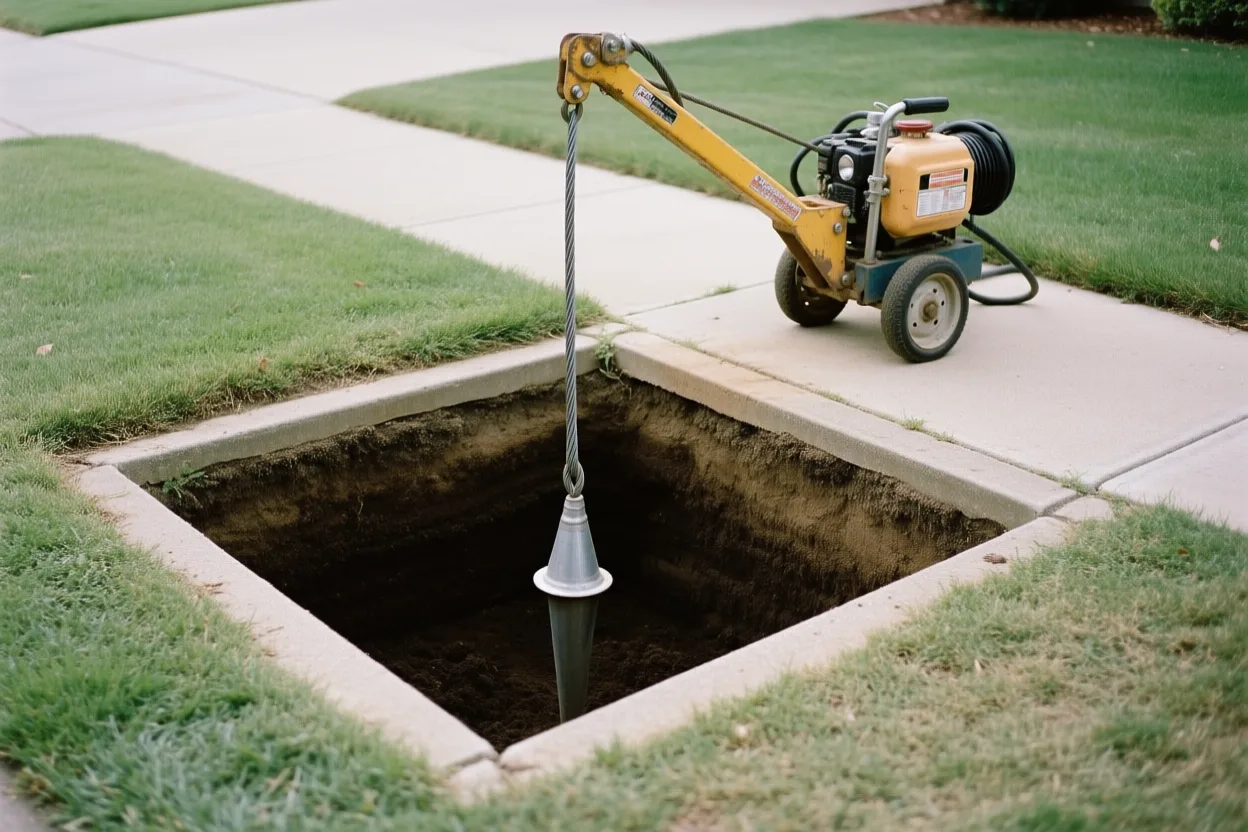
Trenchless sewer
Pipe bursting and lining options that spare the driveway, landscaping, and sidewalk.
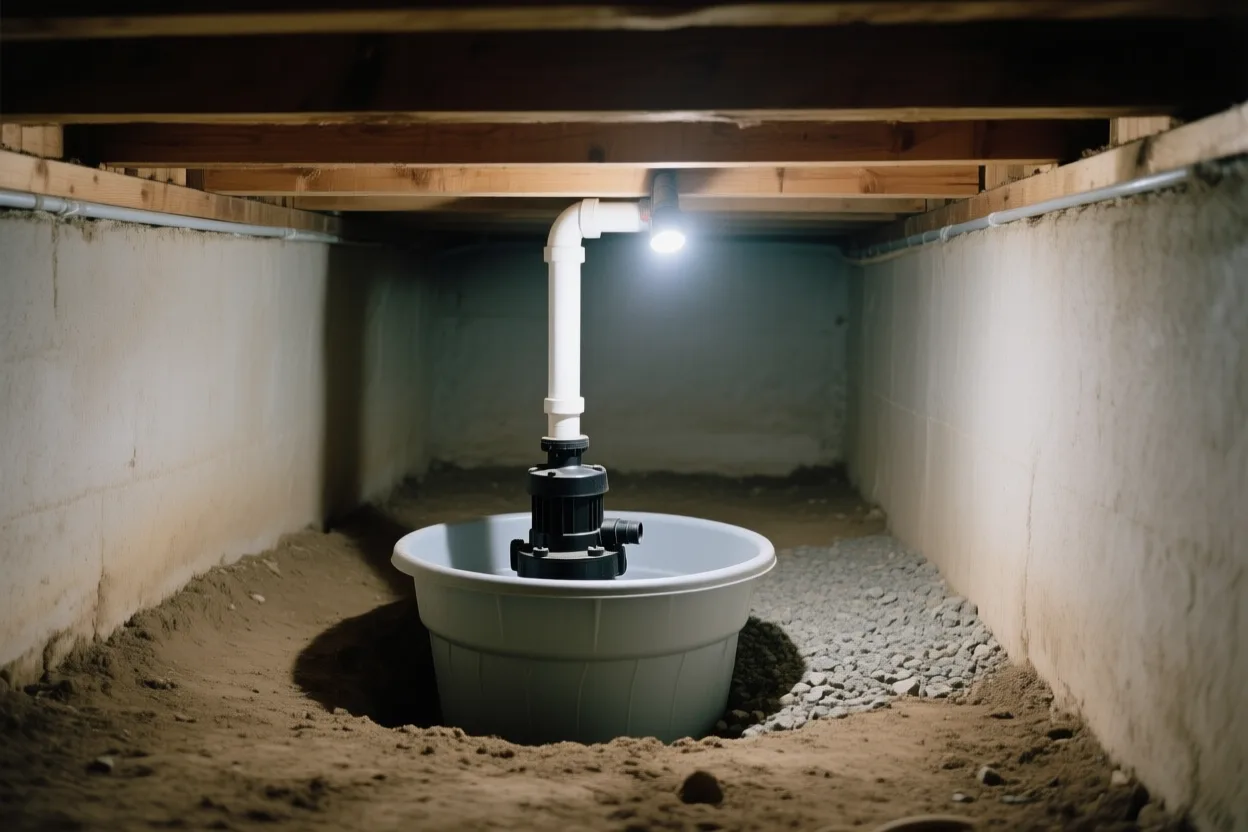
Sump pumps
Pump installs, replacements, and backups for basements and crawl spaces that take on water.
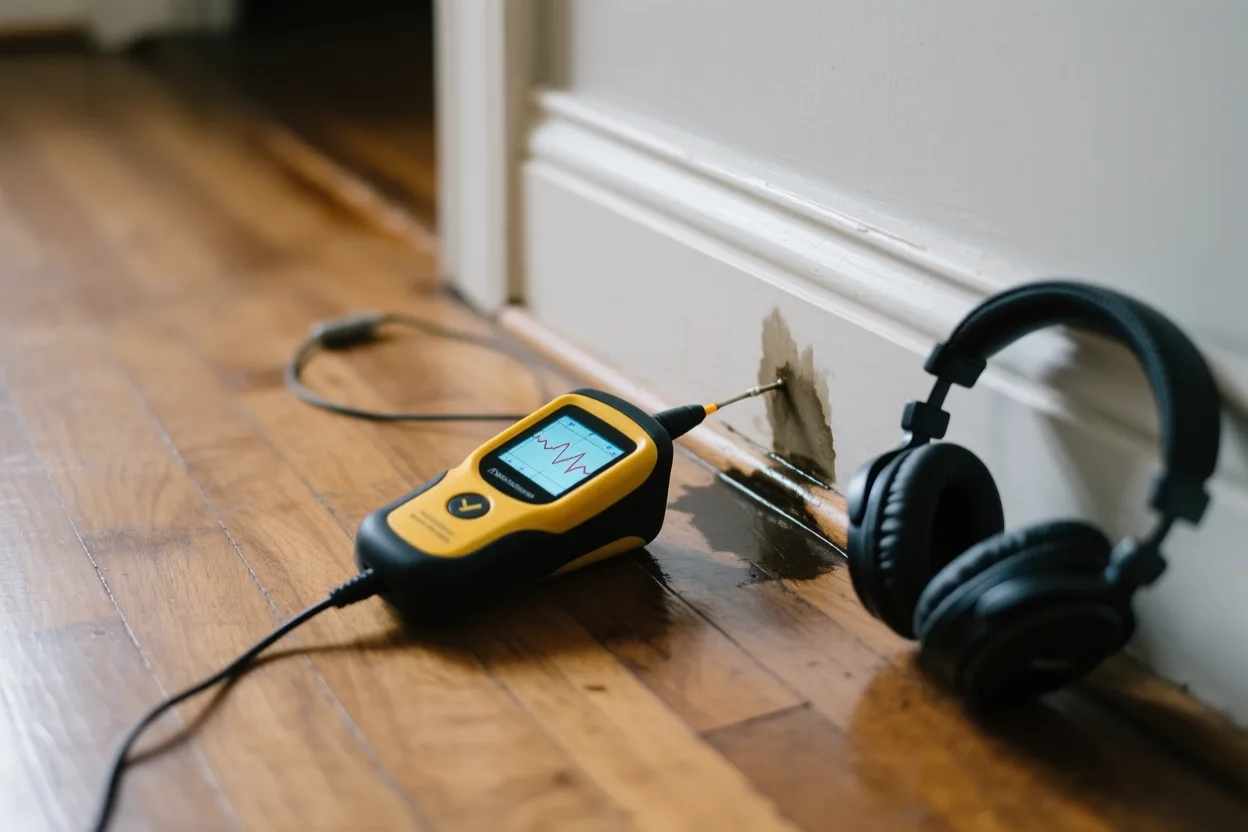
Leak detection
Acoustic and pressure testing that locates hidden leaks without tearing the house apart.
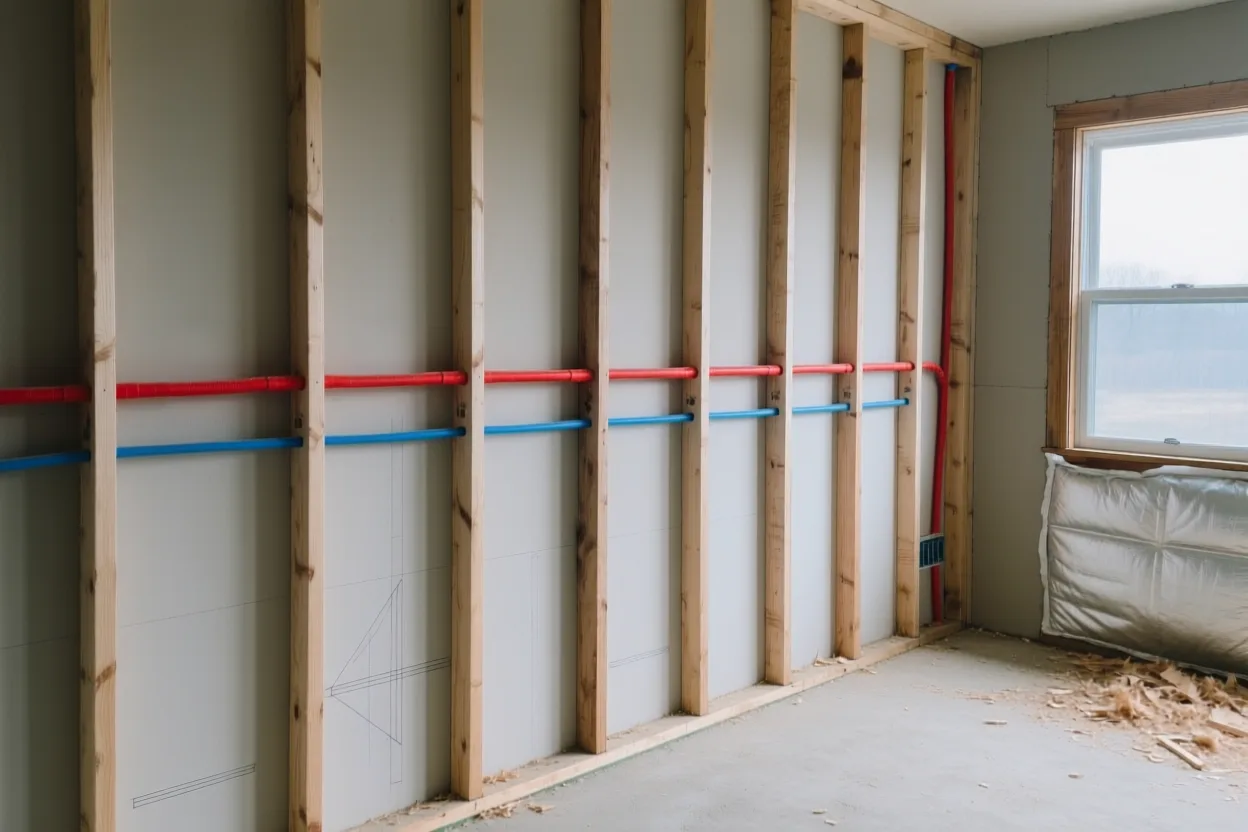
Whole-house repipe
Galvanized, polybutylene, or corroded copper replaced with modern PEX or copper runs.
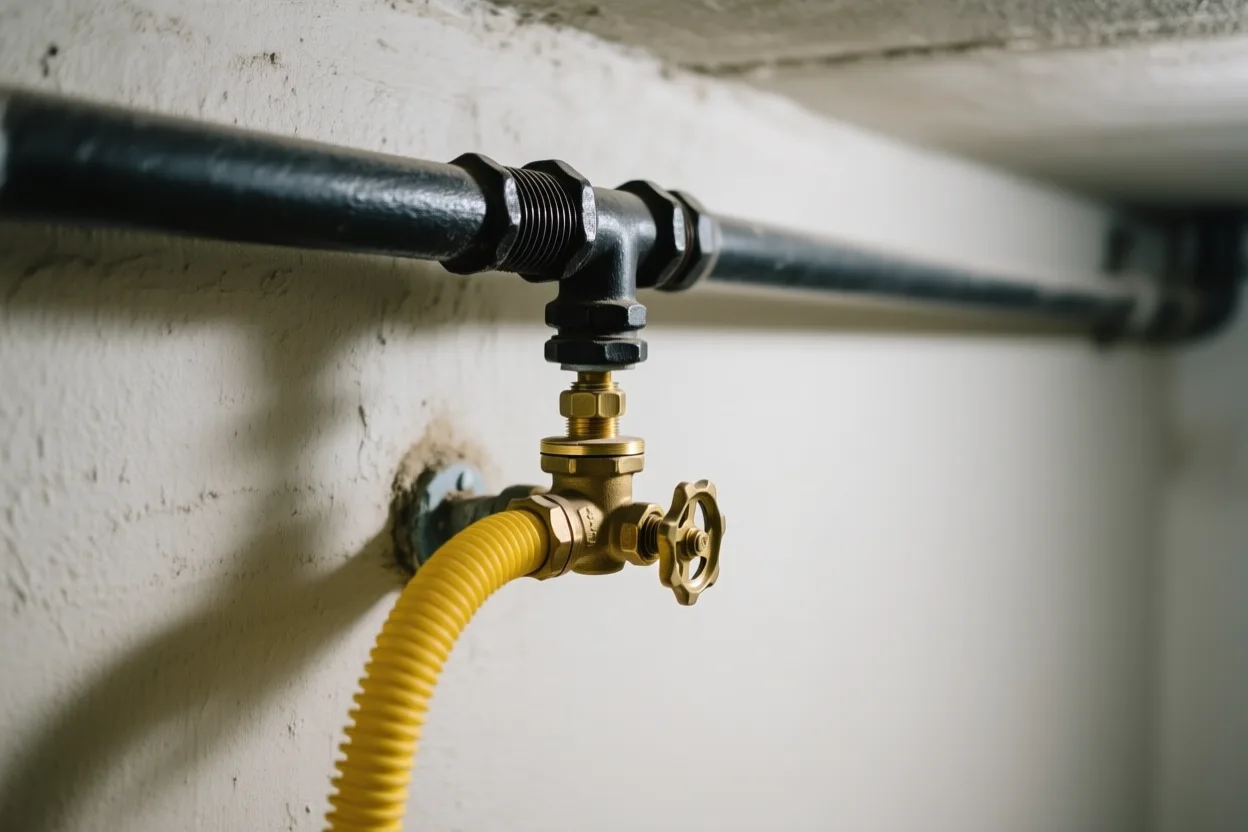
Gas lines
Appliance runs, leak repairs, and new lines for ranges, dryers, water heaters, and furnaces.
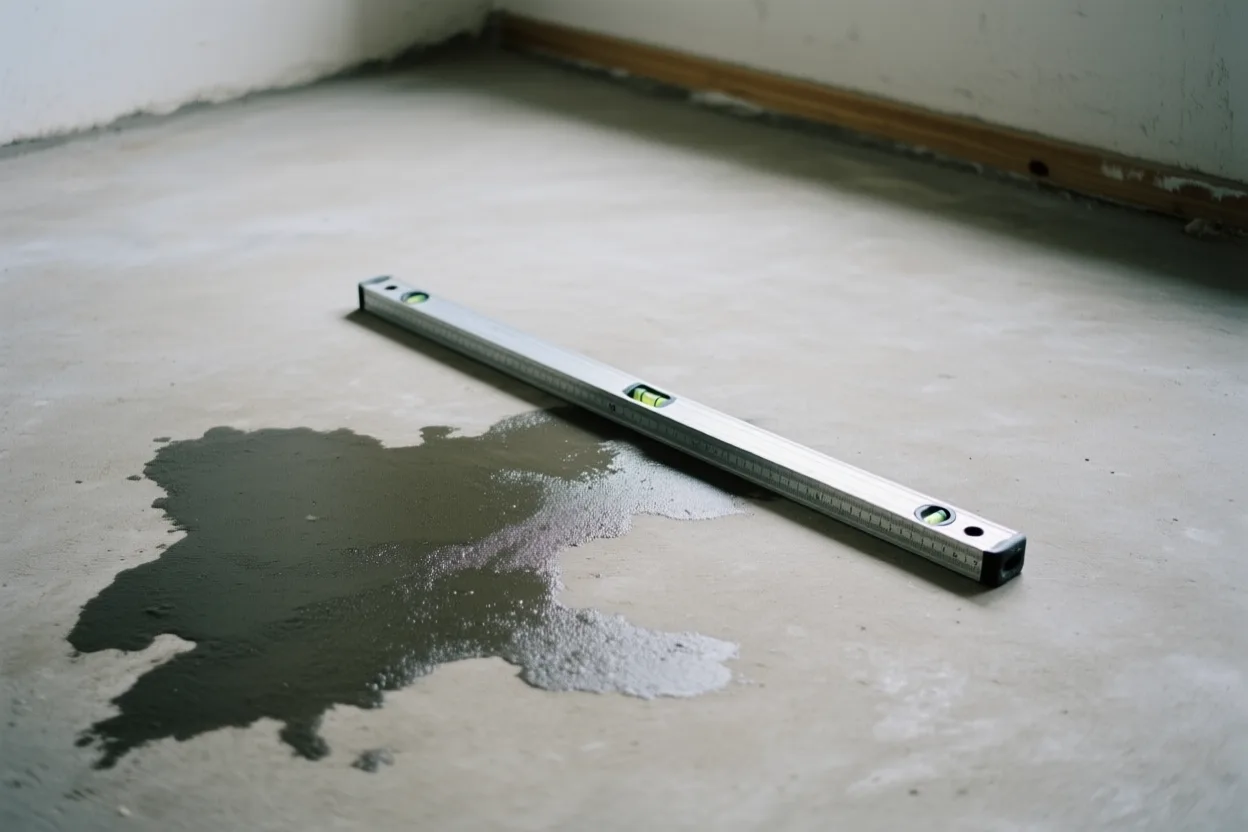
Slab leaks
Supply or drain leaks under the foundation, located first, then fixed the least invasive way.
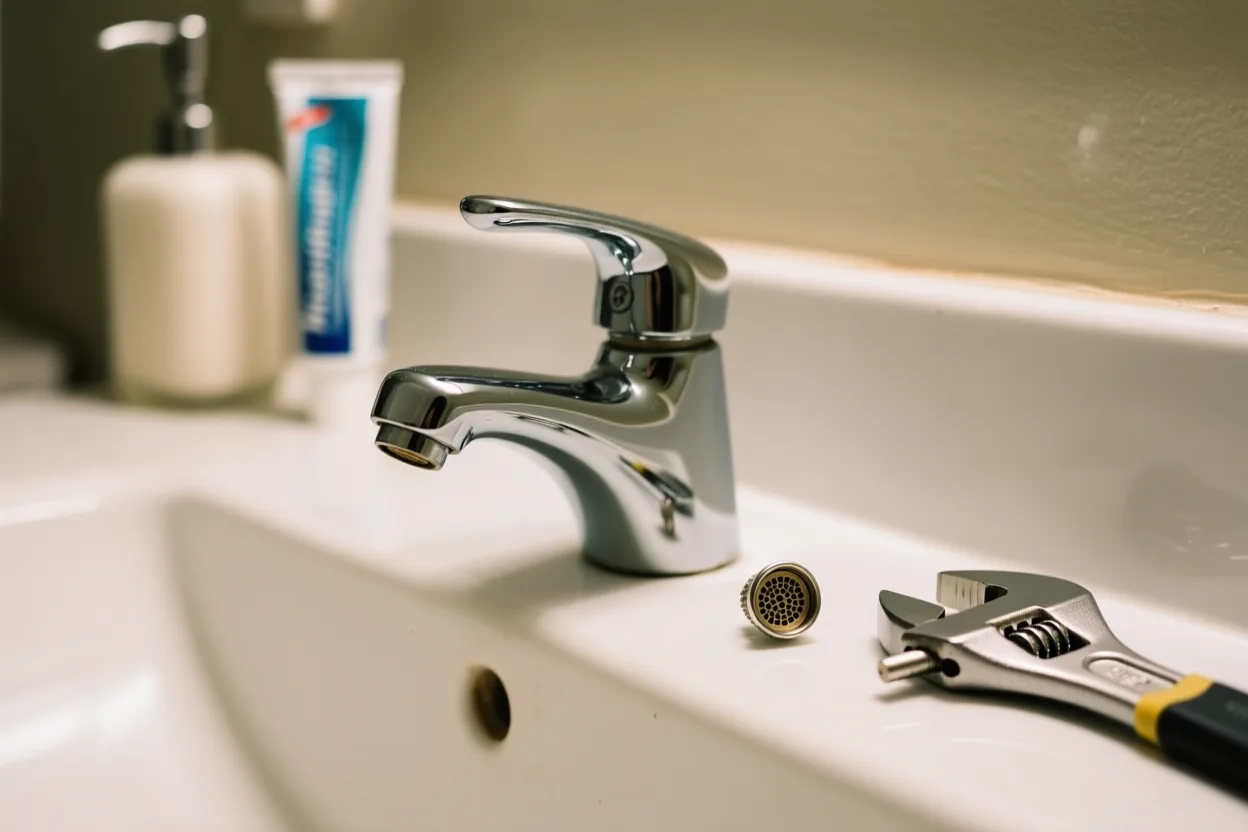
Fixture repair
Faucets, toilets, disposals, hose bibs, and shutoff valves, the everyday plumbing fixes.
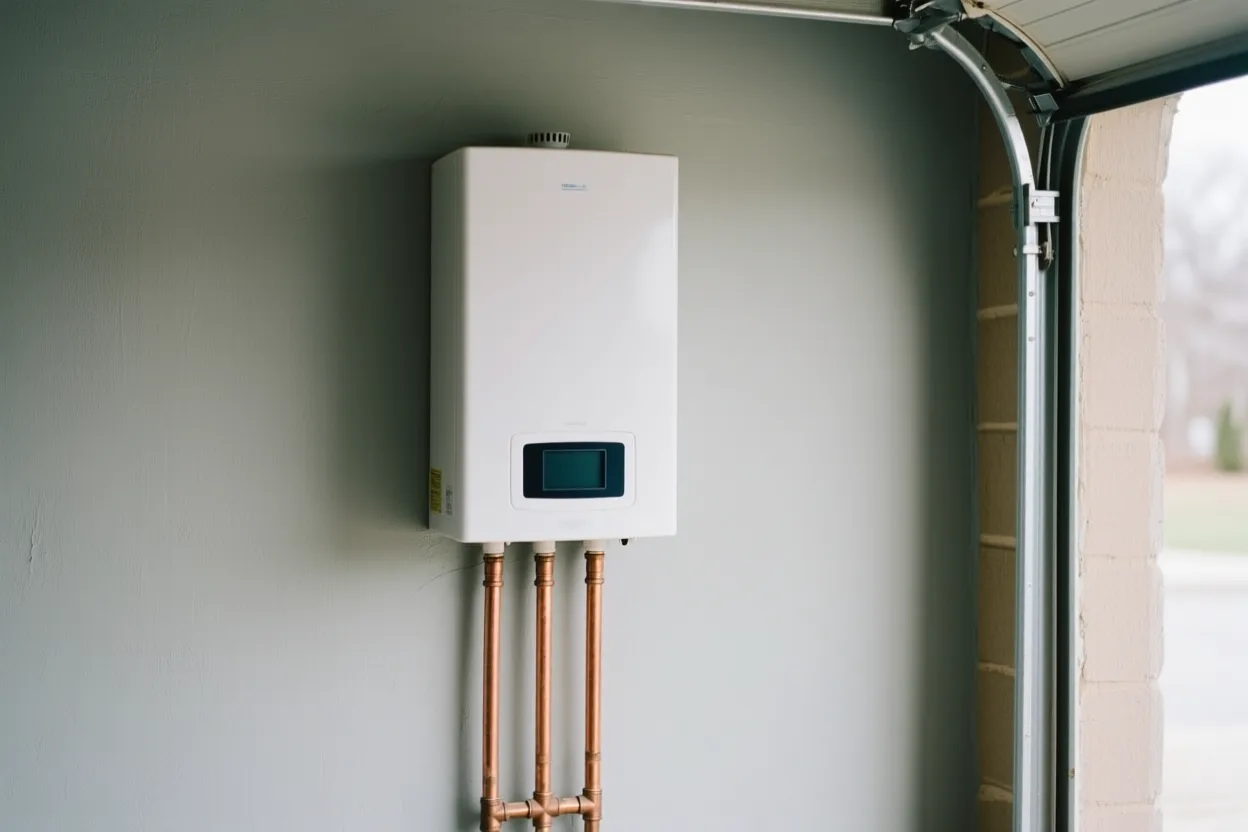
Tankless water heaters
Wall-mounted, on-demand hot water, with the gas line and venting sized to actually feed it.


