A new sewer line without a trench through the yard

Traditional sewer replacement means a trench from the house to the street, through whatever lawn, driveway, or landscaping sits on top. Trenchless methods replace or reline the pipe through one or two small access pits instead.
What are the two ways?
- Pipe bursting: a new pipe gets pulled through the old one, breaking it outward into the soil. Works when the line is collapsed or undersized
- CIPP lining: a resin sleeve gets cured inside the existing pipe, a new pipe inside the old one. Works when the host pipe still holds its shape
The scope footage decides which fits. A collapsed or badly bellied line can't take a liner; an intact-but-leaky clay line is the classic lining candidate.
Why does it matter here?
In Seattle the homeowner owns the side sewer to the main, and a lot of those laterals run under driveways, mature landscaping, or sidewalk strips. Trenching that out is the expensive part. The clay and concrete laterals under the county's older neighborhoods are exactly the pipes trenchless was invented for, and the wetter the season, the more a failed lateral lets groundwater in and sewage out.
What does it cost?
More per foot than open trenching, less once you price what the trench would have destroyed. The real number depends on length, depth, how many bends in the line, and surface conditions. Any legitimate quote starts with a camera scope, a contractor who prices a replacement without scoping it first is guessing on your dime.
Available in your town
Other services
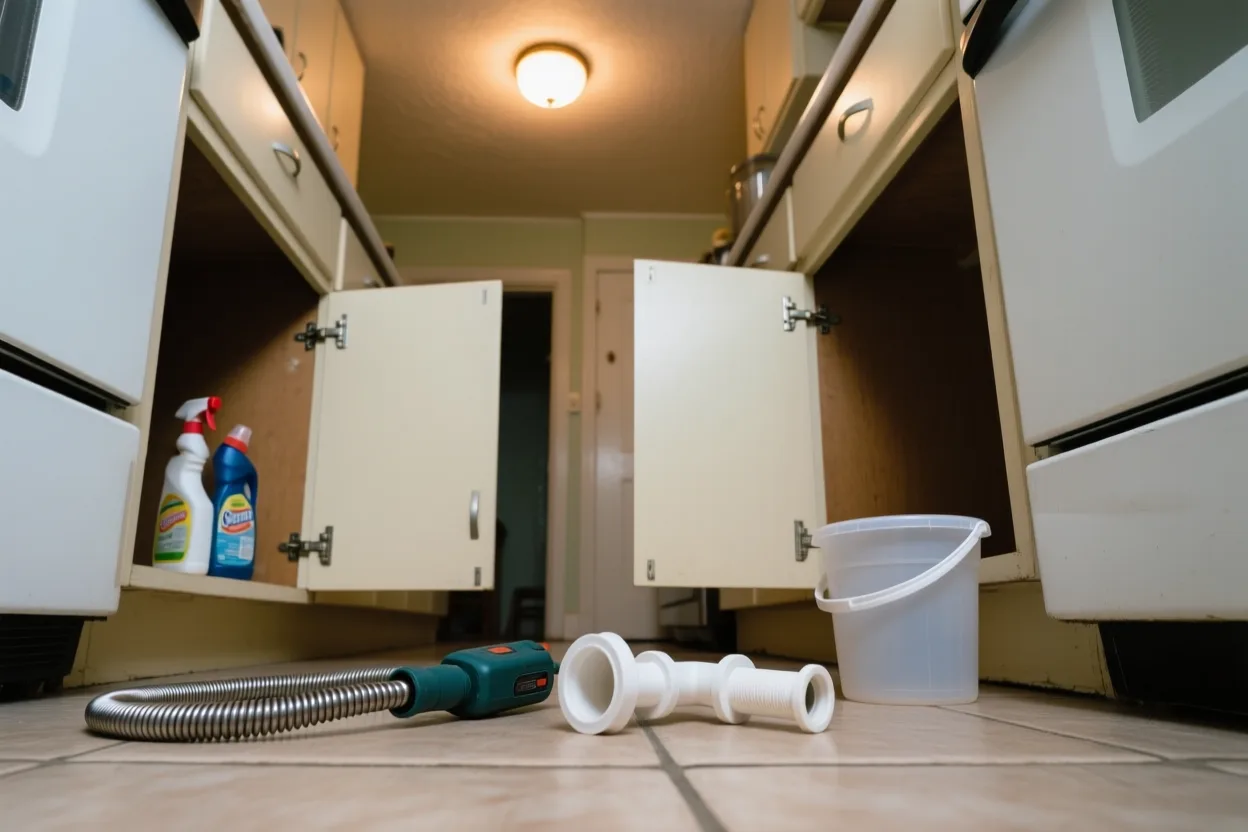
Drain cleaning
Single-fixture clogs to full main-line blockages, cleared with the right equipment.
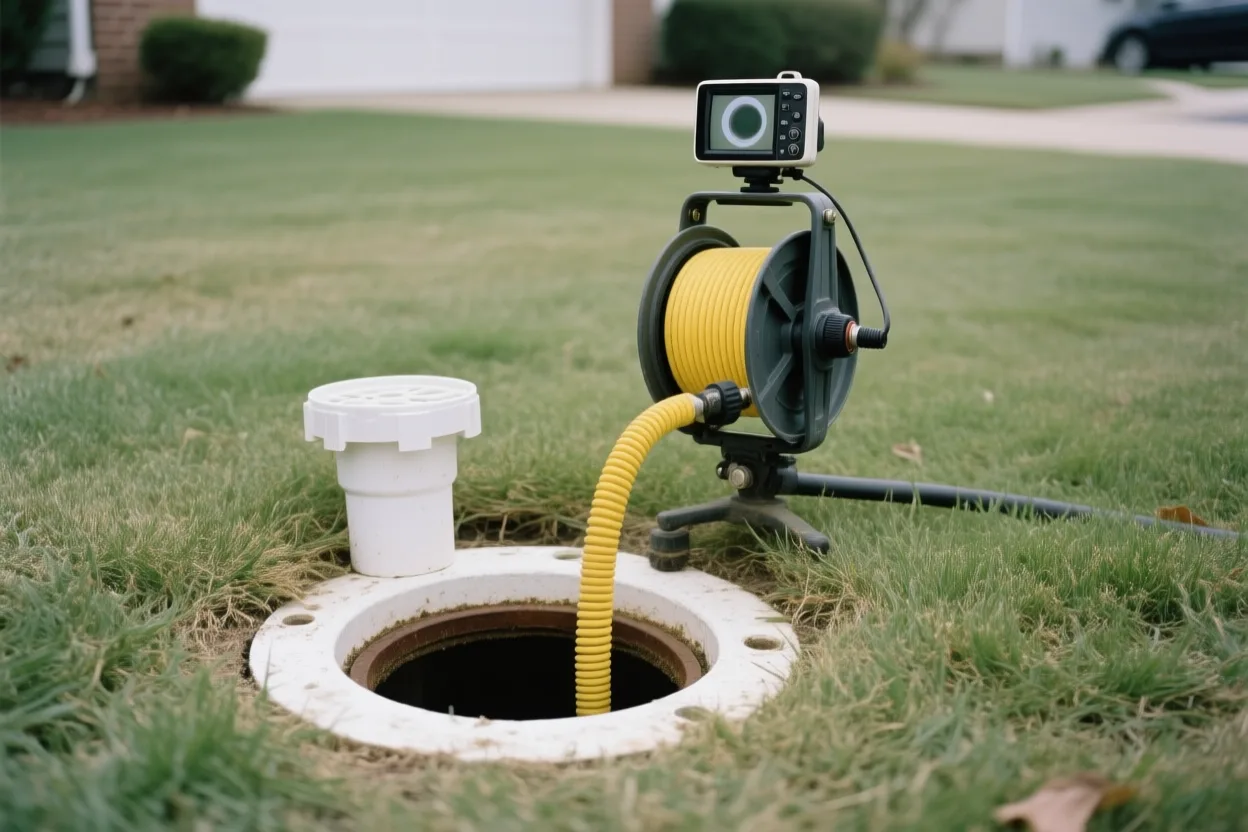
Sewer camera inspection
A camera down the lateral shows roots, bellies, breaks, and exactly where they sit.
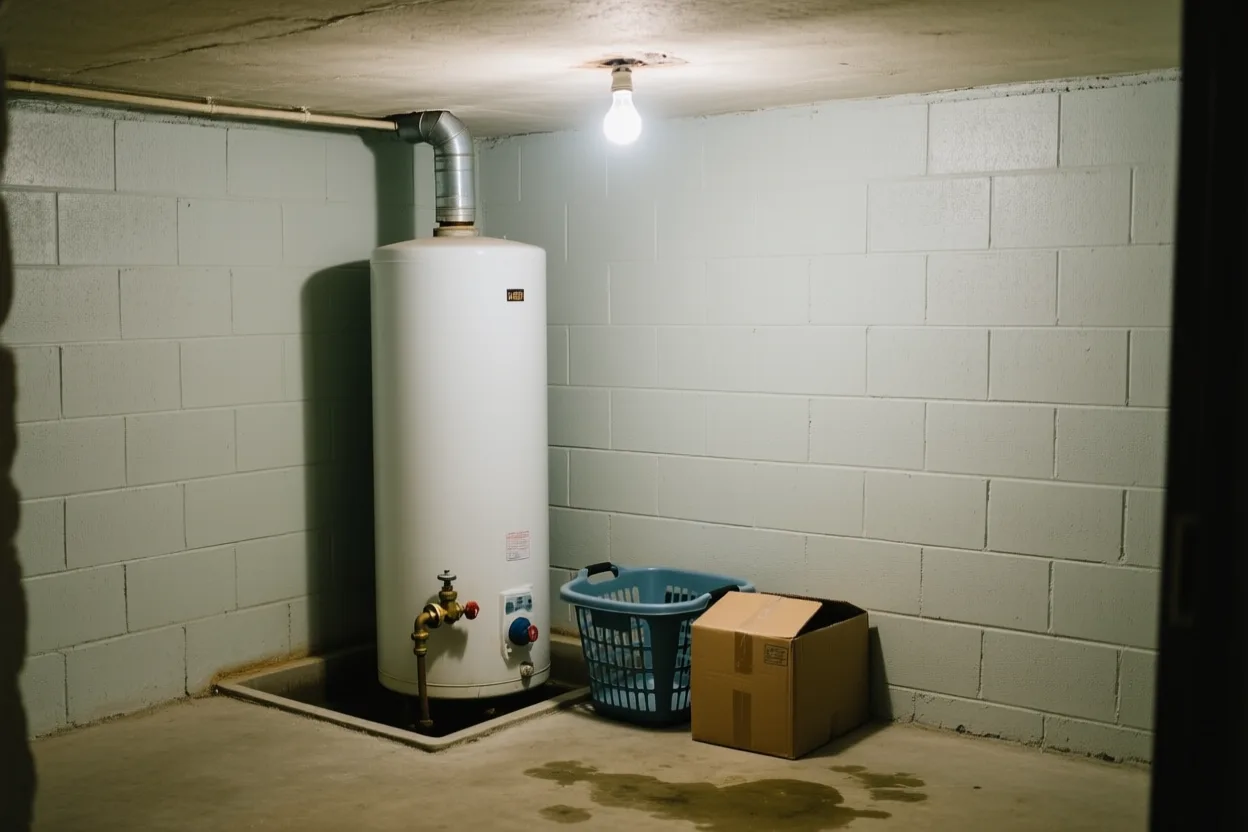
Water heaters
Tank repair, full replacement, code items brought current, haul-away included in a real quote.
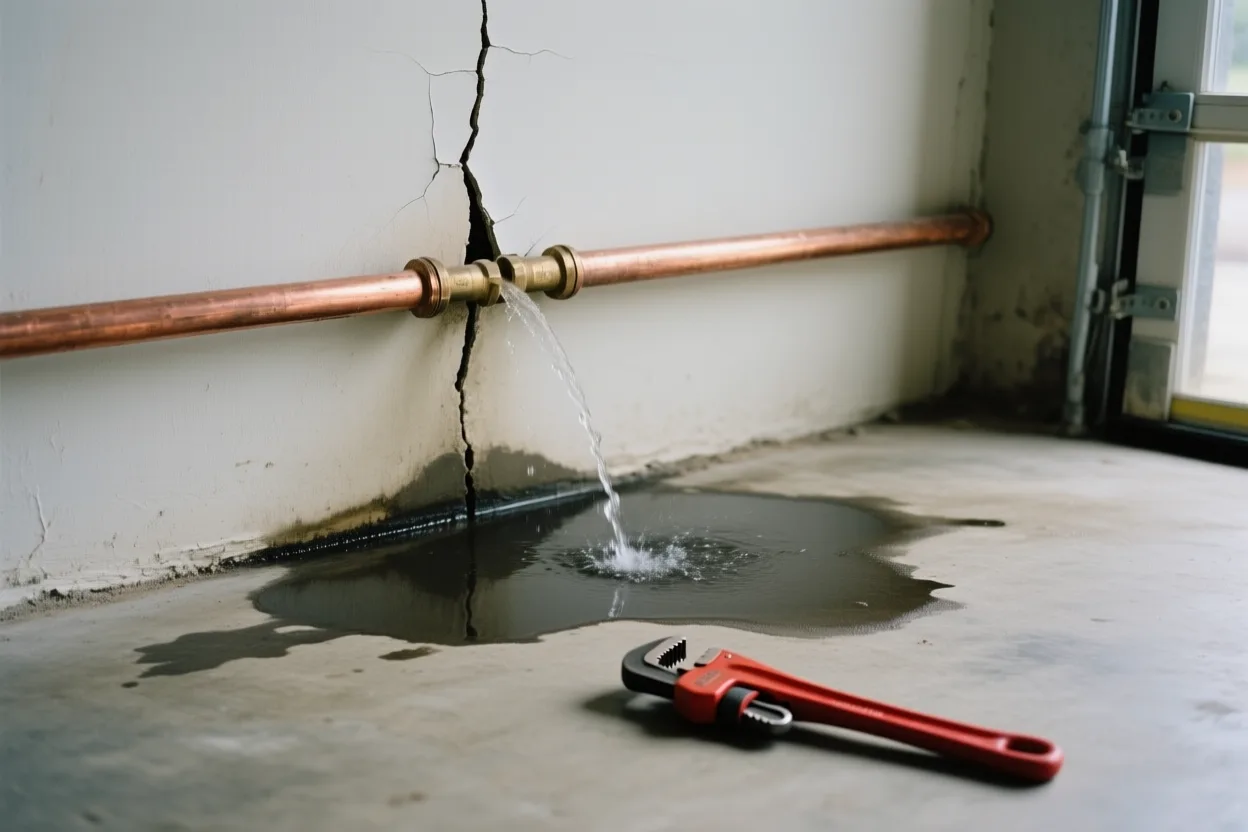
Emergency plumbing
Burst pipes, active leaks, sewage backup, routed urgent to a pro who covers your town.
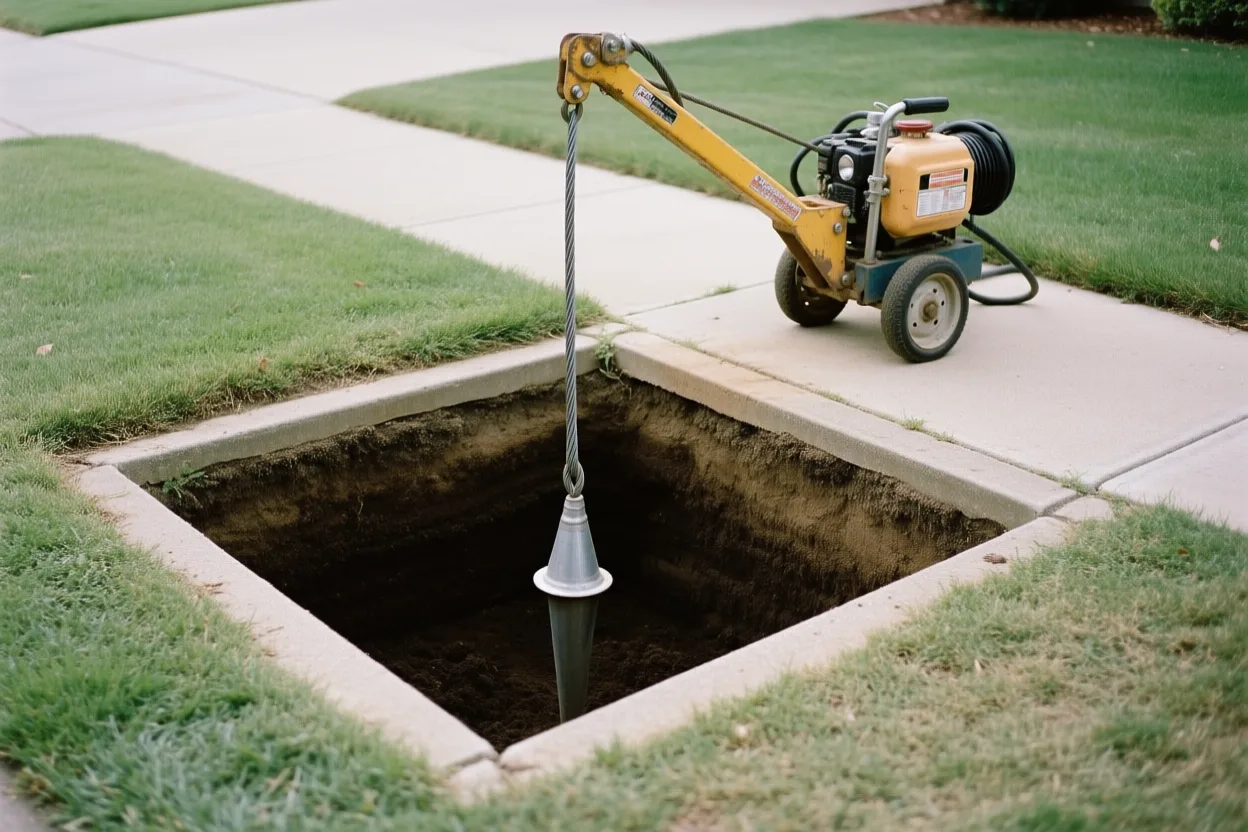
Trenchless sewer
Pipe bursting and lining options that spare the driveway, landscaping, and sidewalk.
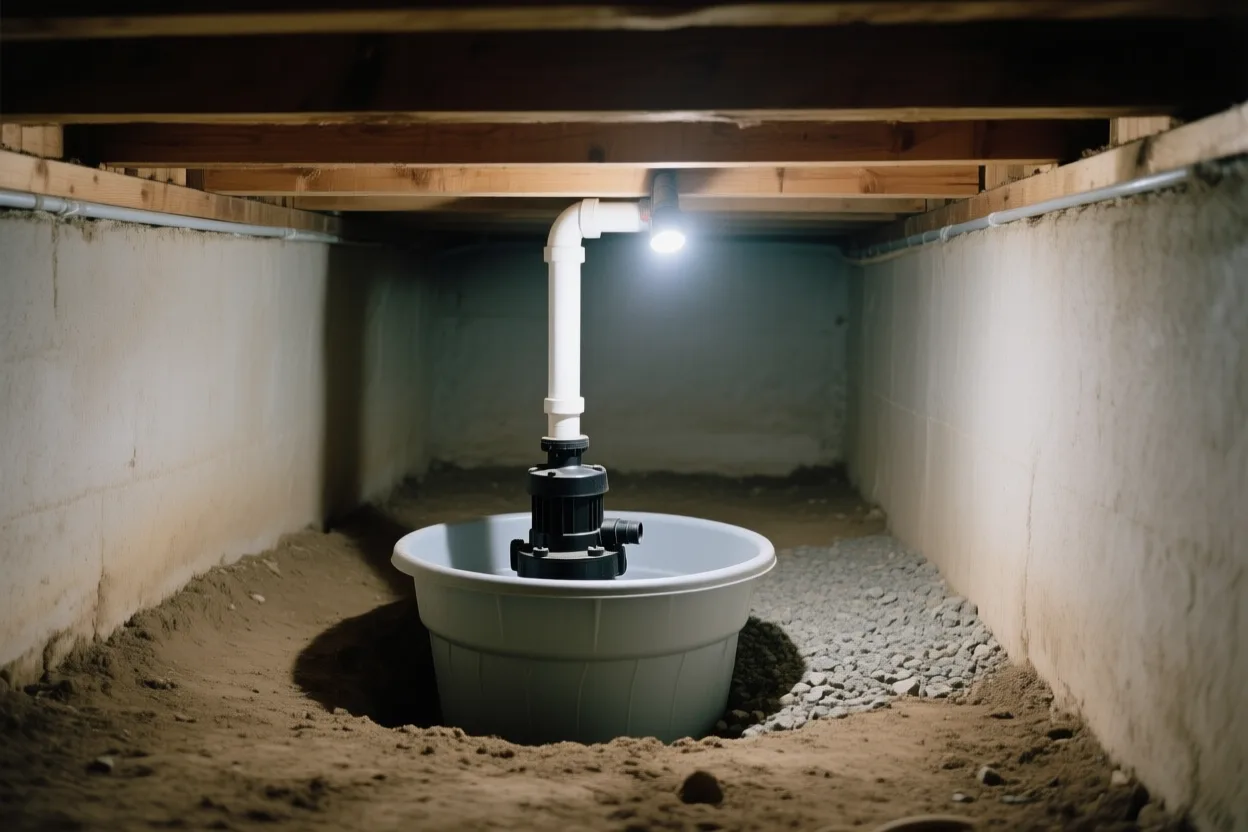
Sump pumps
Pump installs, replacements, and backups for basements and crawl spaces that take on water.
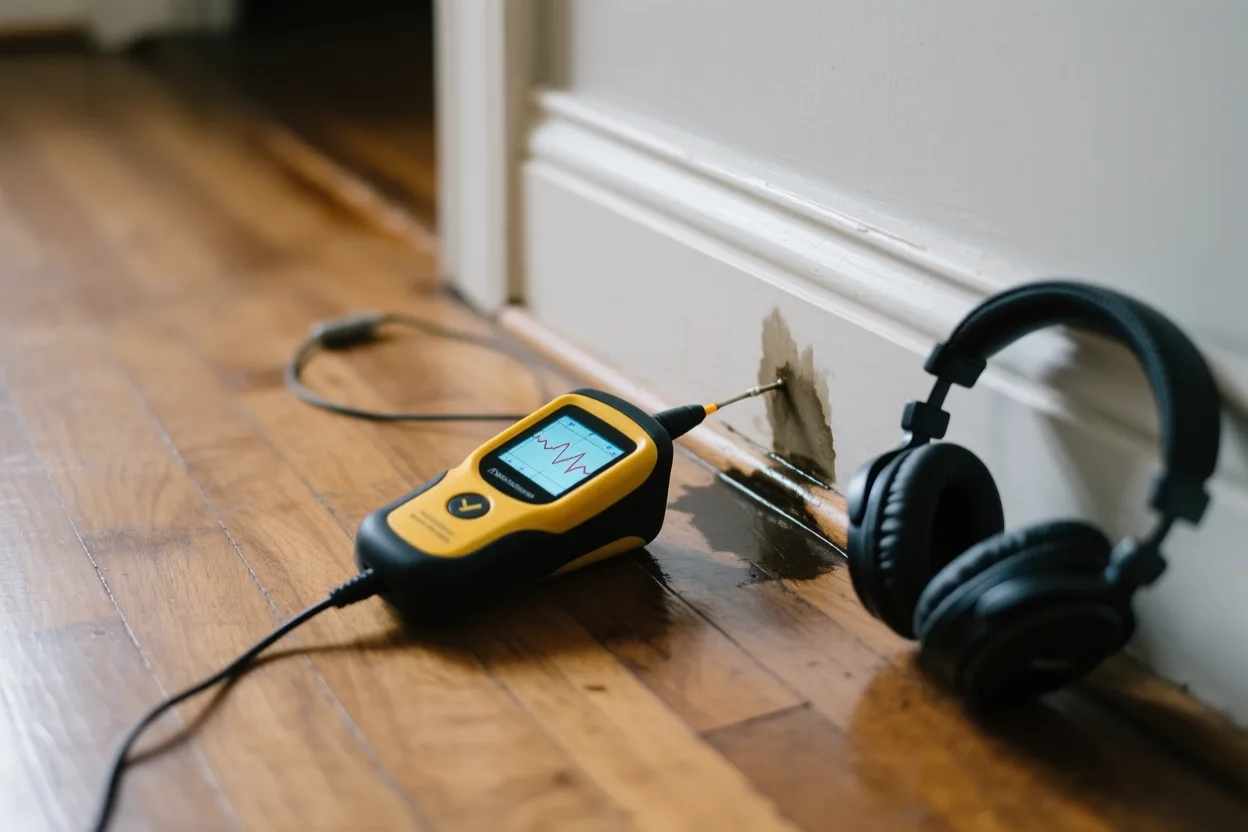
Leak detection
Acoustic and pressure testing that locates hidden leaks without tearing the house apart.
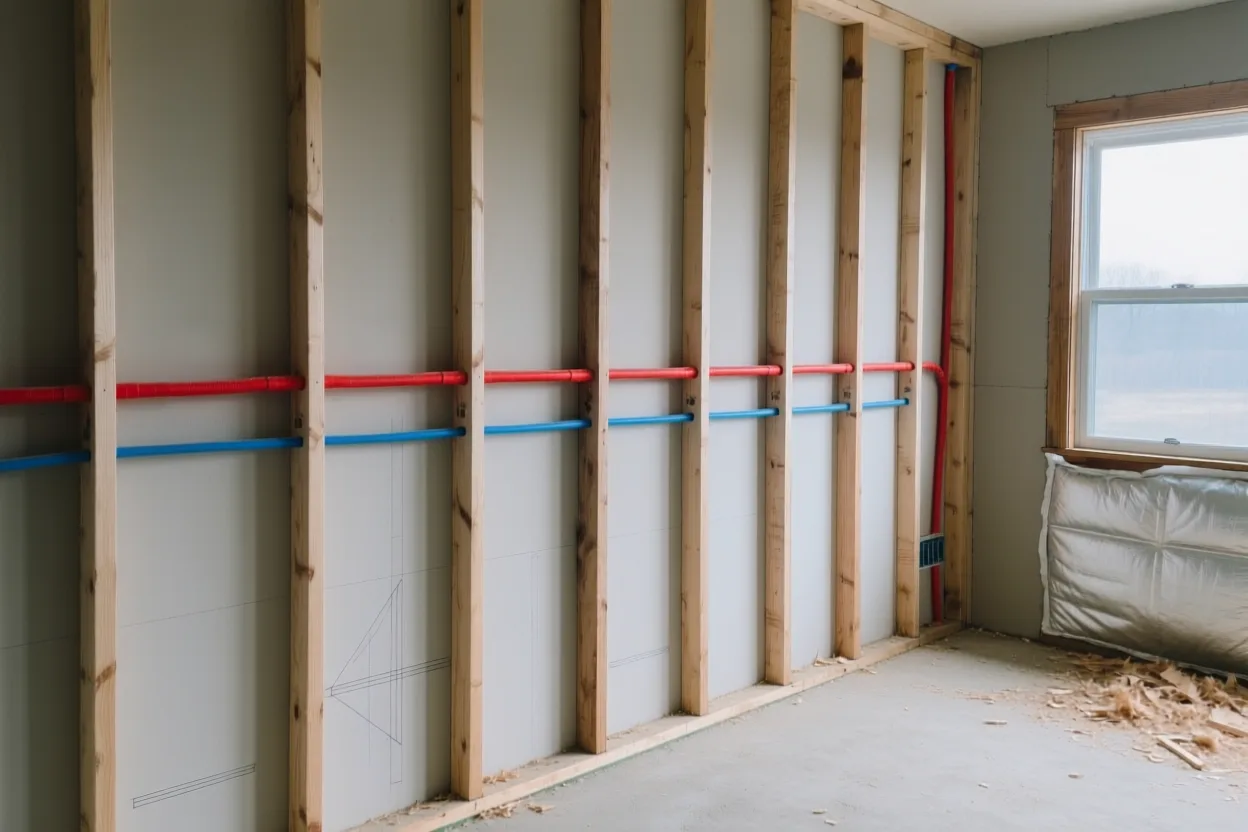
Whole-house repipe
Galvanized, polybutylene, or corroded copper replaced with modern PEX or copper runs.
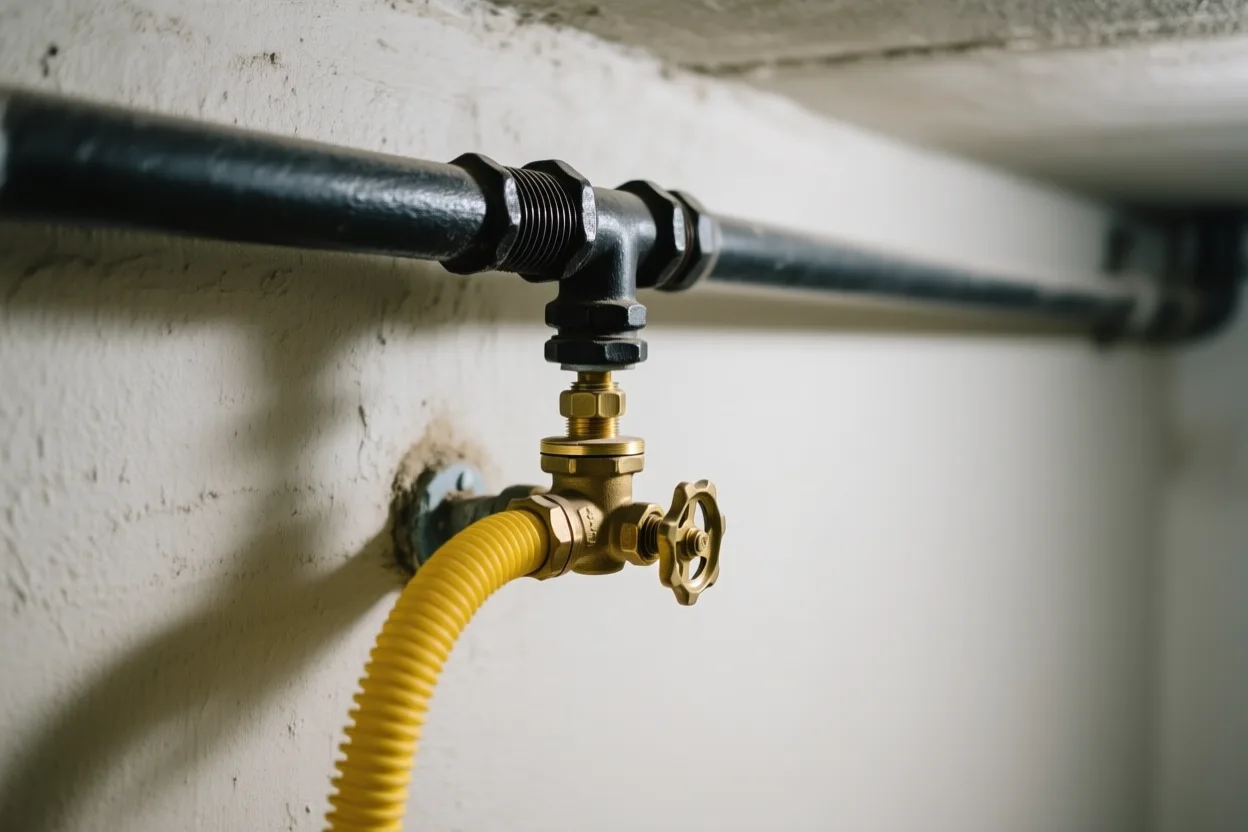
Gas lines
Appliance runs, leak repairs, and new lines for ranges, dryers, water heaters, and furnaces.
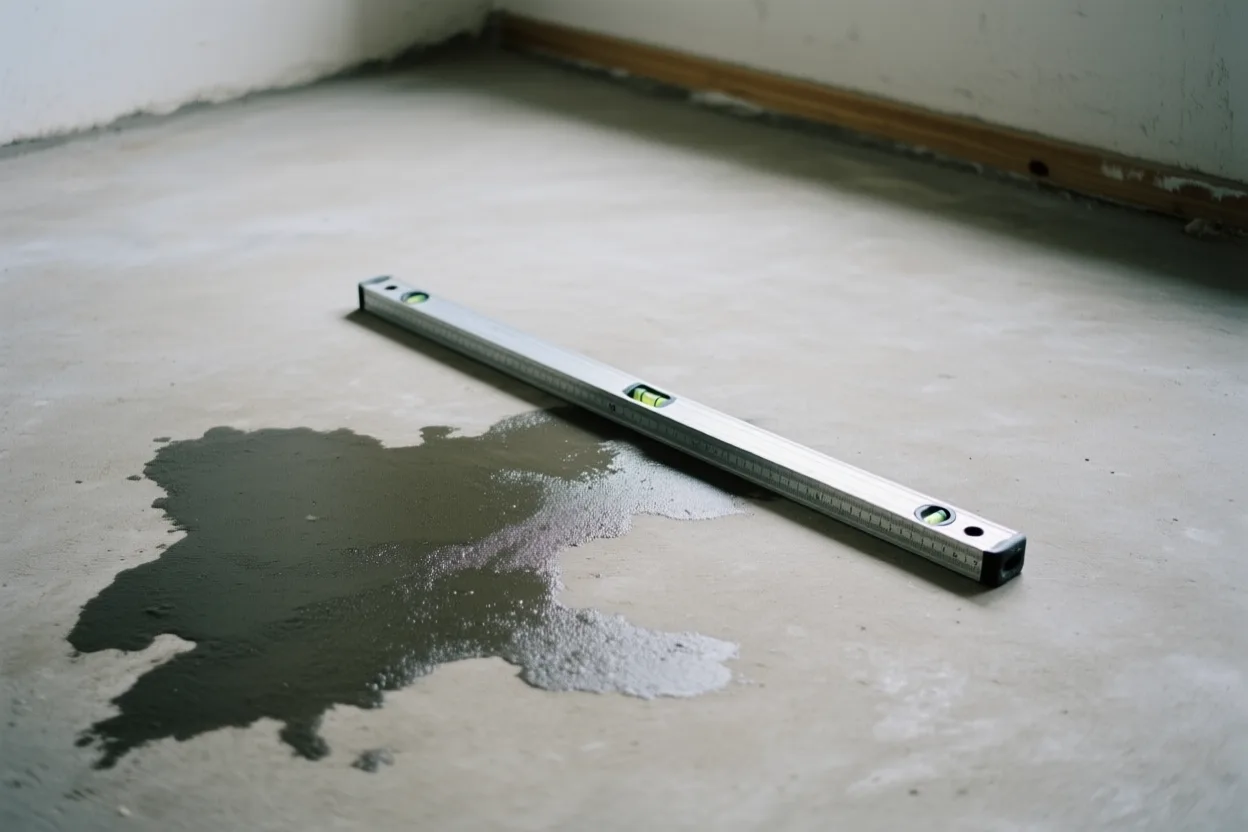
Slab leaks
Supply or drain leaks under the foundation, located first, then fixed the least invasive way.
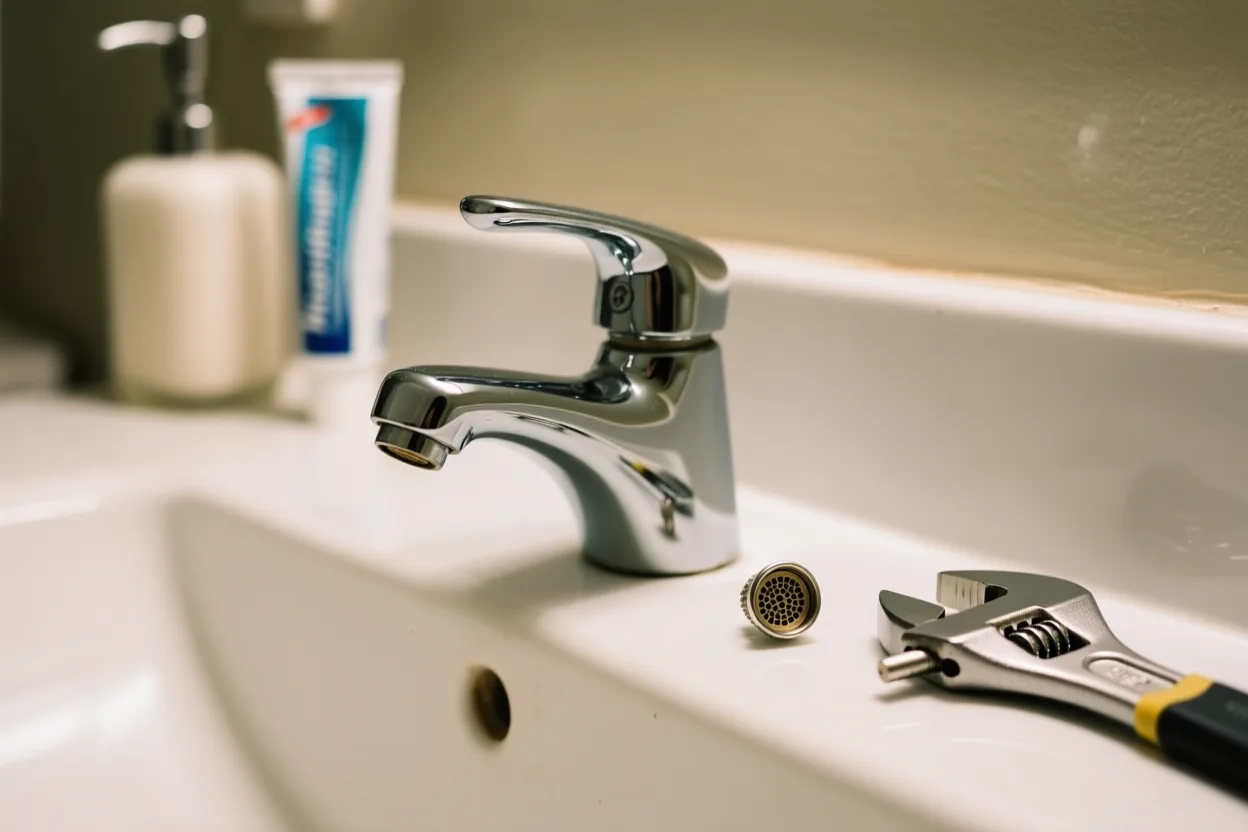
Fixture repair
Faucets, toilets, disposals, hose bibs, and shutoff valves, the everyday plumbing fixes.
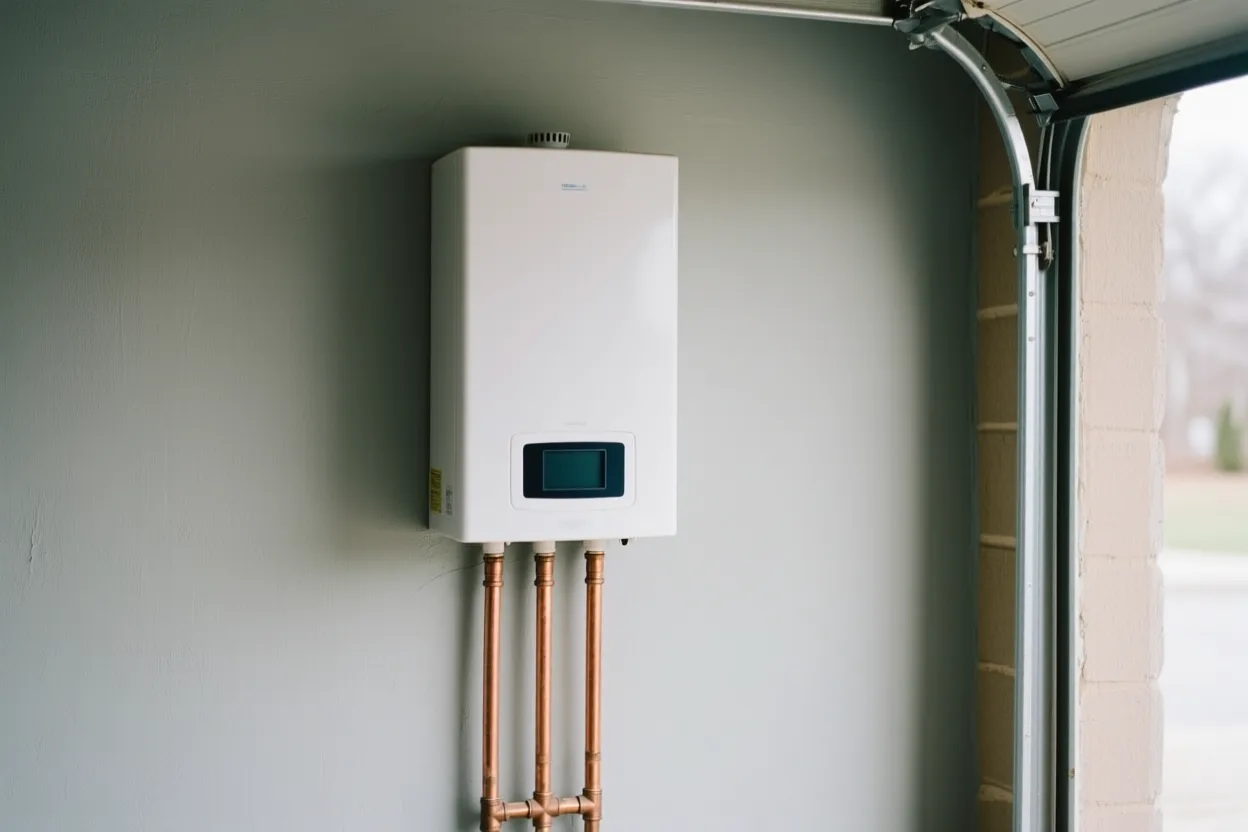
Tankless water heaters
Wall-mounted, on-demand hot water, with the gas line and venting sized to actually feed it.


